Product Features
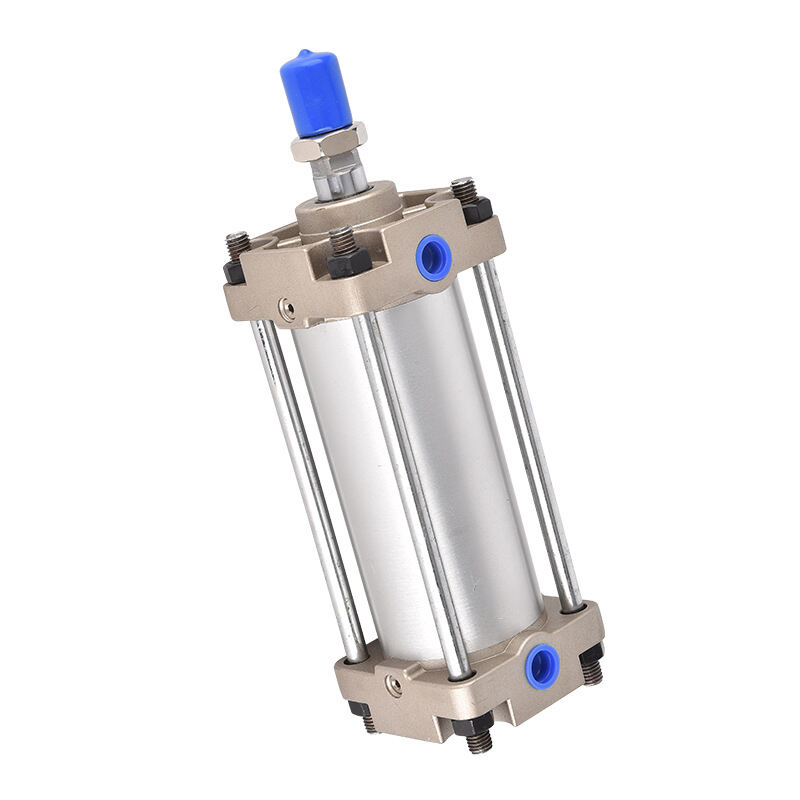
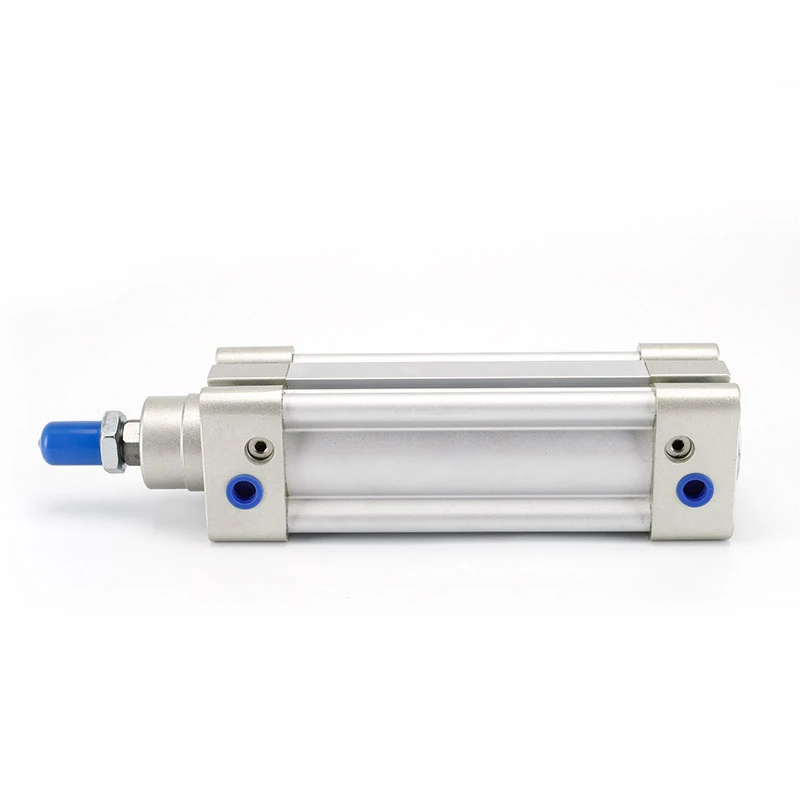
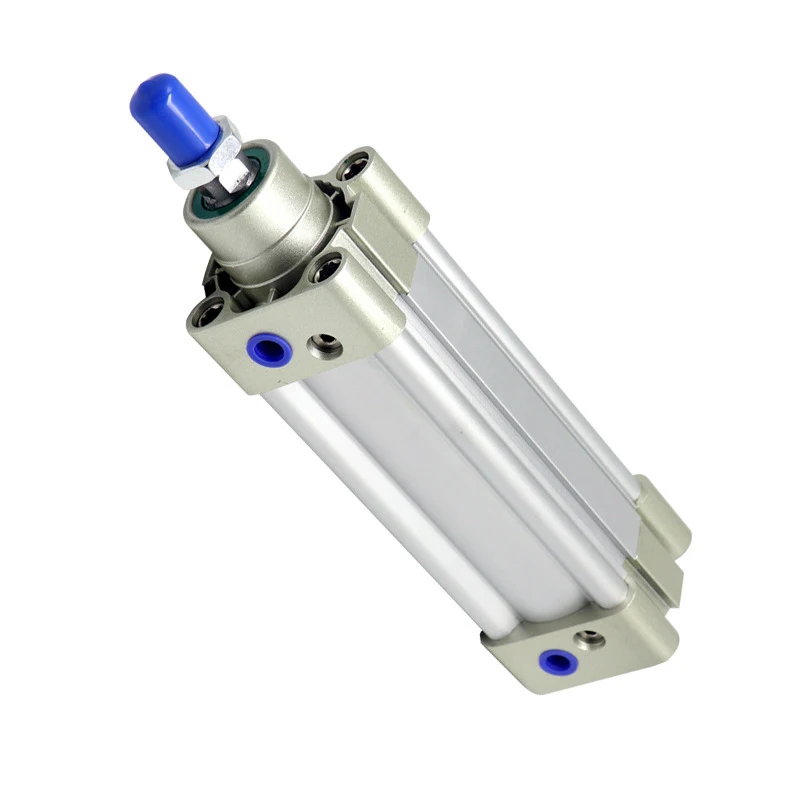
Dual Model Matching for Different Working Scenarios: SAI fixed stroke model for regular linear motion with fixed travel; SAIJ adjustable stroke model supports precise front-end stroke fine-tuning, solving variable travel positioning demands without extra mechanical modification.
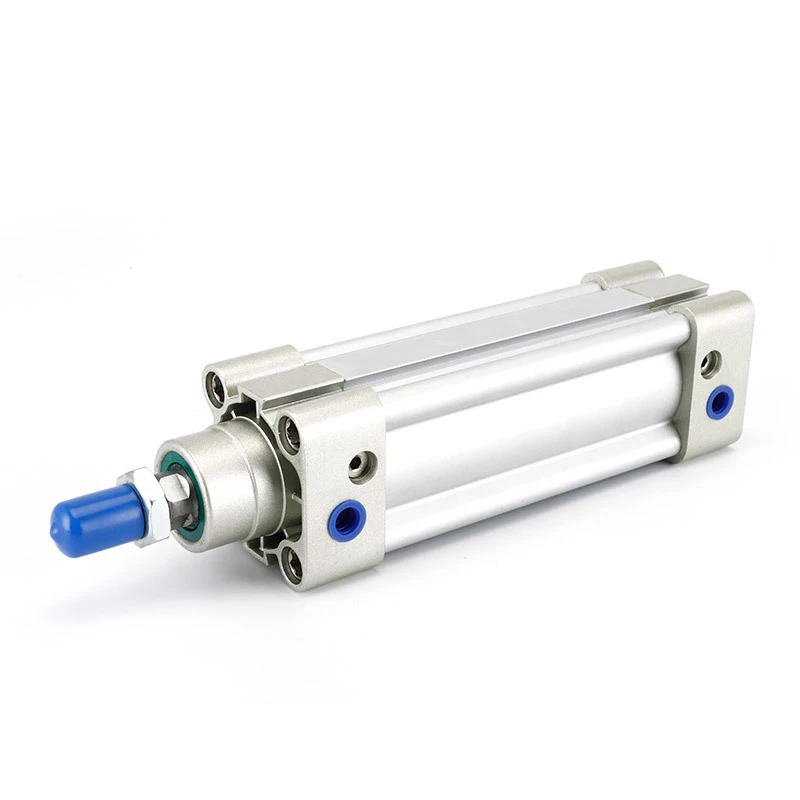
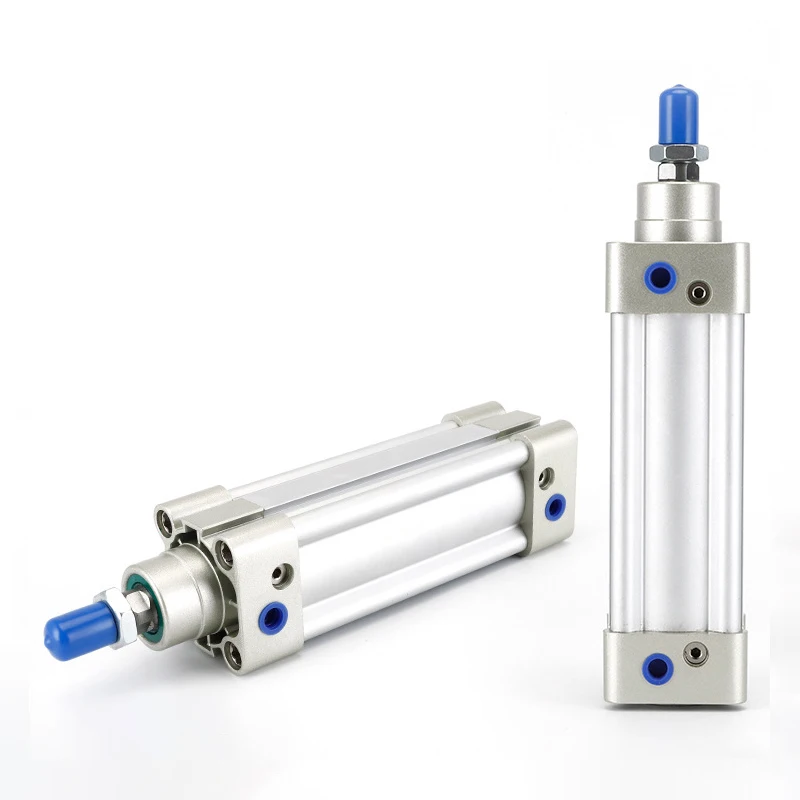
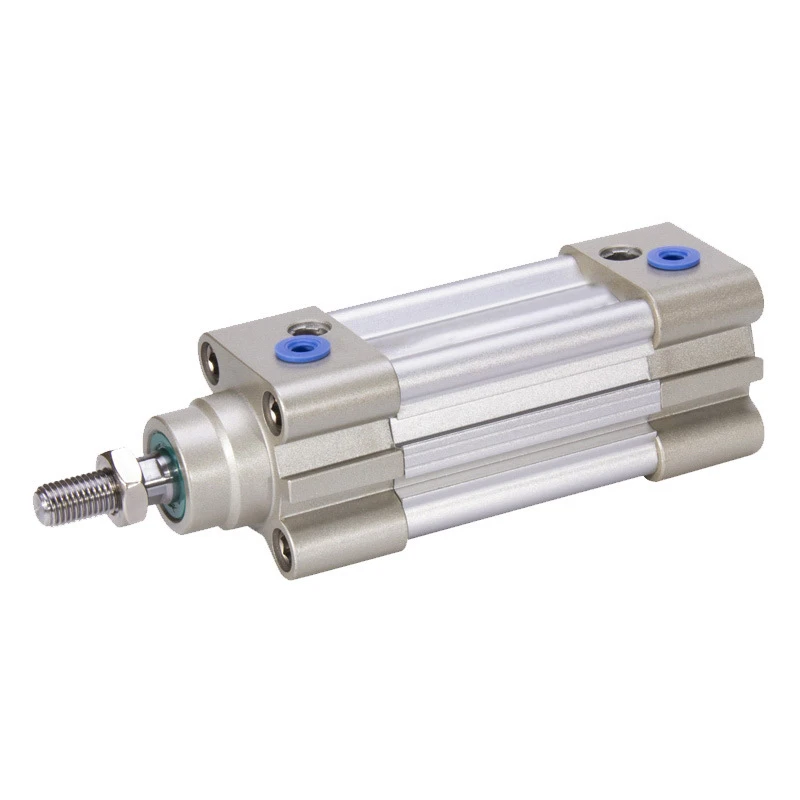
ISO15552 International Standard Dimension: Fully consistent with global standard mounting size and port position, supporting direct plug-and-play replacement for mainstream SI series cylinders, no fixture modification needed for existing automation equipment.
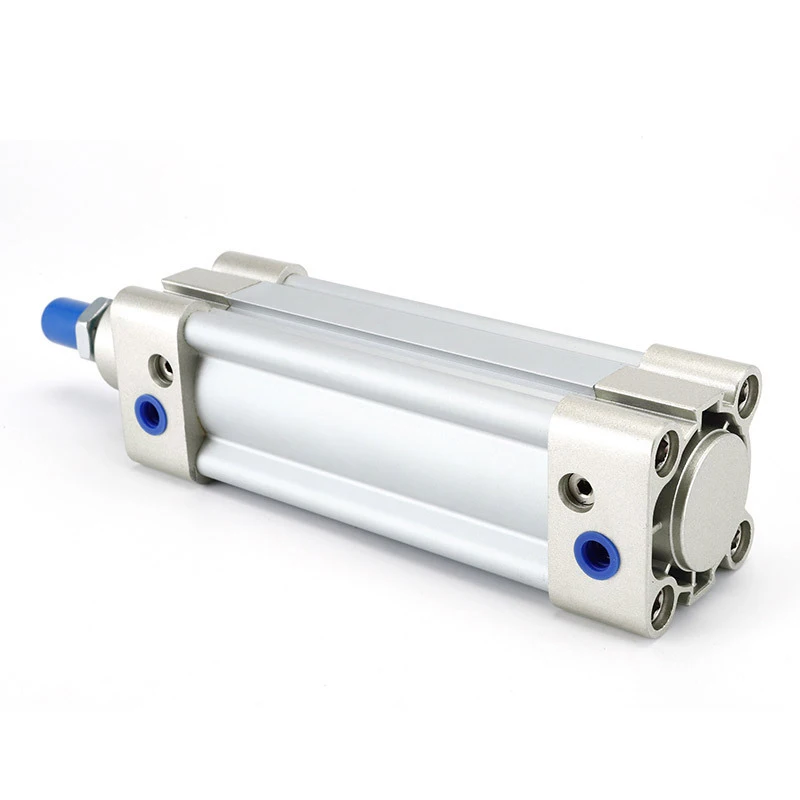
Tie-rodless Compact Aluminum Alloy Body: Integrated extruded aluminum profile cylinder tube removes external tie rods, greatly reducing overall cylinder length and saving installation space; anodized surface boosts oxidation and corrosion resistance for long workshop service life.
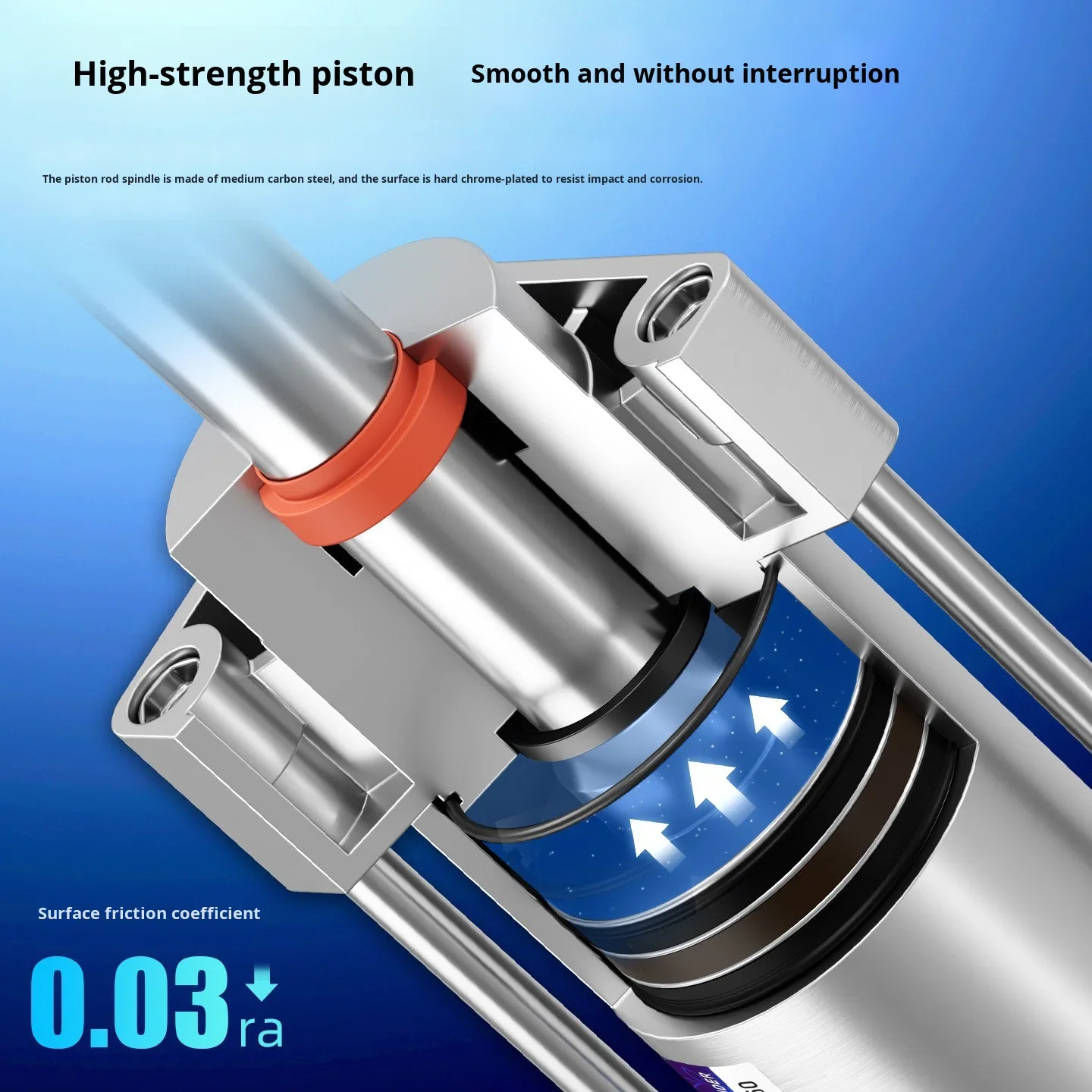
High-performance Bidirectional Piston Sealing: Adopts profiled oil-storage piston seal with automatic wear compensation function, featuring low startup pressure, good air tightness and long service life; effectively prevents internal air leakage during long-term cyclic reciprocating operation.
Built-in Adjustable Air Buffer: Front and rear integrated pneumatic buffer structure achieves smooth endpoint deceleration, reducing mechanical impact, vibration and operating noise; buffer strength can be manually adjusted to adapt to different load weights and moving speeds.
Reserved Universal Sensor Grooves: Symmetric side grooves reserved for magnetic induction switches, convenient real-time detection of cylinder extension and retraction position signals, easy integration with automatic control systems for full automated linkage operation.
Product Advantages
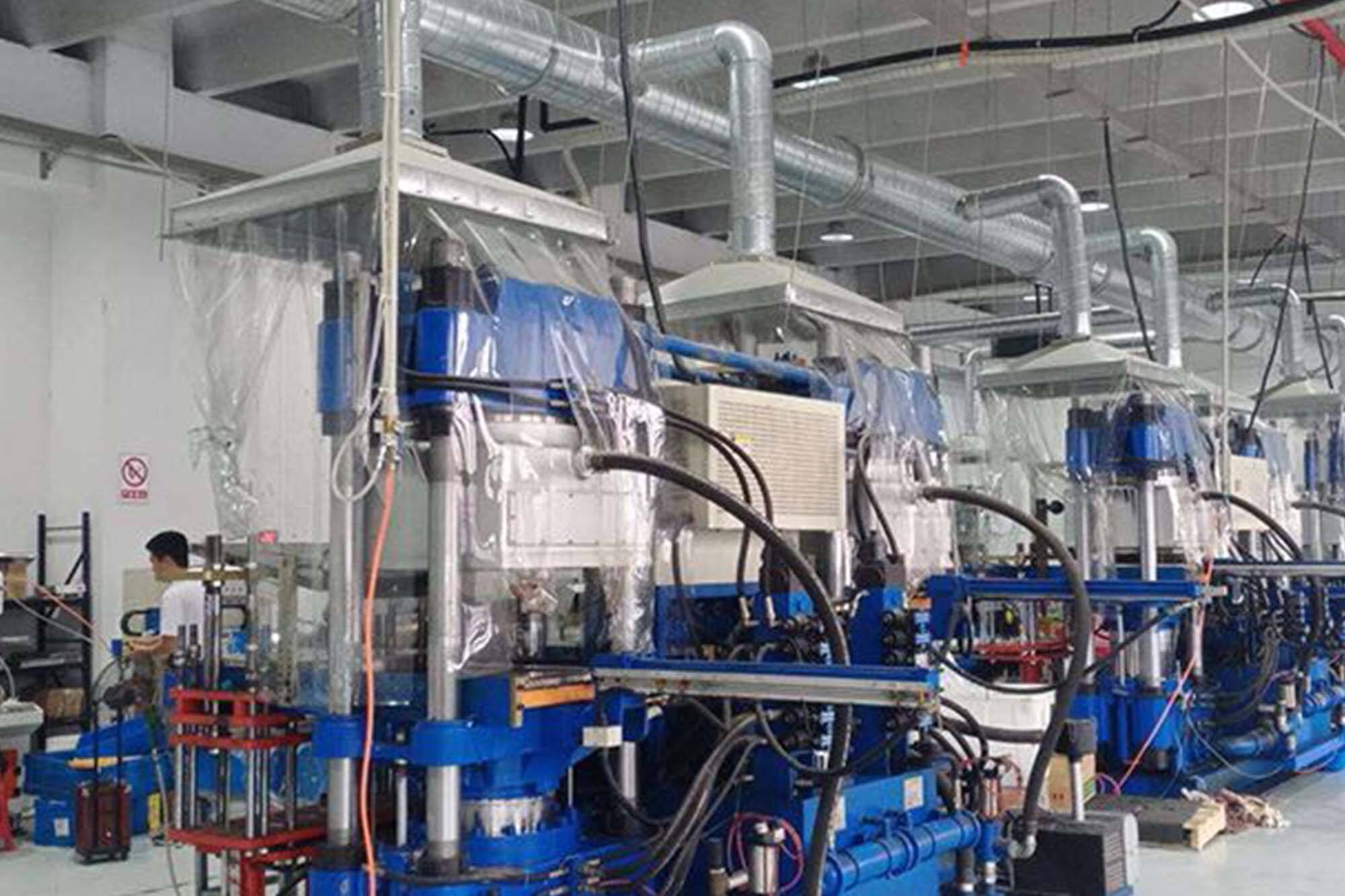
First, Double acting bidirectional power output. Provides stable and powerful thrust in both extending and retracting directions, far better motion stability than single acting cylinders, suitable for most bidirectional reciprocating automation actions. Second, Compact size saves equipment layout space. Tie-rodless streamlined structure shortens overall cylinder length effectively, perfectly fitting compact automated machinery with limited installation space. Third, One series covers fixed and adjustable stroke needs. Dual SAI/SAIJ models meet both standard fixed travel and flexible adjustable travel scenarios, simplifying customer model selection and inventory management. Fourth, Durable sealing system lowers maintenance cost. Wear-compensating piston seals reduce daily air leakage failure rate, extending service cycle and cutting long-term spare parts replacement cost. Fifth, Wide compatibility and easy installation. Multiple optional mounting accessories and standard air ports support diversified installation ways, matching clamping, pushing, lifting and reciprocating automation equipment in various industries.
How to Use
First, select proper model and bore size according to working stroke, load force and installation space: choose SAI fixed stroke model for standard fixed-distance motion, select SAIJ adjustable stroke model for flexible positioning; match 32/40/50mm small bore for light load, 63/80/100mm large bore for medium and heavy load. Check cylinder appearance, rod surface smoothness and buffer valve integrity before installation. Second, select matched mounting bracket according to on-site installation mode, fix the cylinder firmly to avoid vibration displacement during high-frequency reciprocating movement; install magnetic sensors into side grooves if position signal feedback is required. Third, connect pneumatic pipelines to front and rear air ports correctly, adjust system working air pressure within 0.2-0.8MPa standard range, avoid overpressure operation damaging internal seals. Fourth, conduct idle running test without load, adjust front and rear buffer knobs to optimize endpoint buffering effect, eliminate obvious impact and abnormal noise during cylinder extension and retraction. Fifth, for SAIJ adjustable stroke cylinders, fine-tune the front adjustment nut to set accurate effective stroke, lock the positioning nut firmly after parameter confirmation to prevent stroke offset during long-term operation. Sixth, carry out load trial operation, verify stable output force, smooth running speed and accurate positioning performance, then launch formal automated production. For daily maintenance, keep piston rod surface clean without dust and scratches; regularly check pipeline joint tightness; replenish pneumatic oil mist lubrication regularly; replace sealing kits timely if slow action or air leakage occurs.





 EN
EN
 AR
AR
 BG
BG
 HR
HR
 CS
CS
 DA
DA
 NL
NL
 FI
FI
 FR
FR
 DE
DE
 HI
HI
 IT
IT
 KO
KO
 NO
NO
 PL
PL
 PT
PT
 RO
RO
 RU
RU
 ES
ES
 SV
SV
 TL
TL
 ID
ID
 SR
SR
 UK
UK
 ET
ET
 HU
HU
 TH
TH
 TR
TR
 FA
FA
 AF
AF
 MS
MS
 GA
GA
 BE
BE
 MK
MK
 AZ
AZ
 BN
BN
 LA
LA
 UZ
UZ
 HAW
HAW
 KY
KY