Product Features
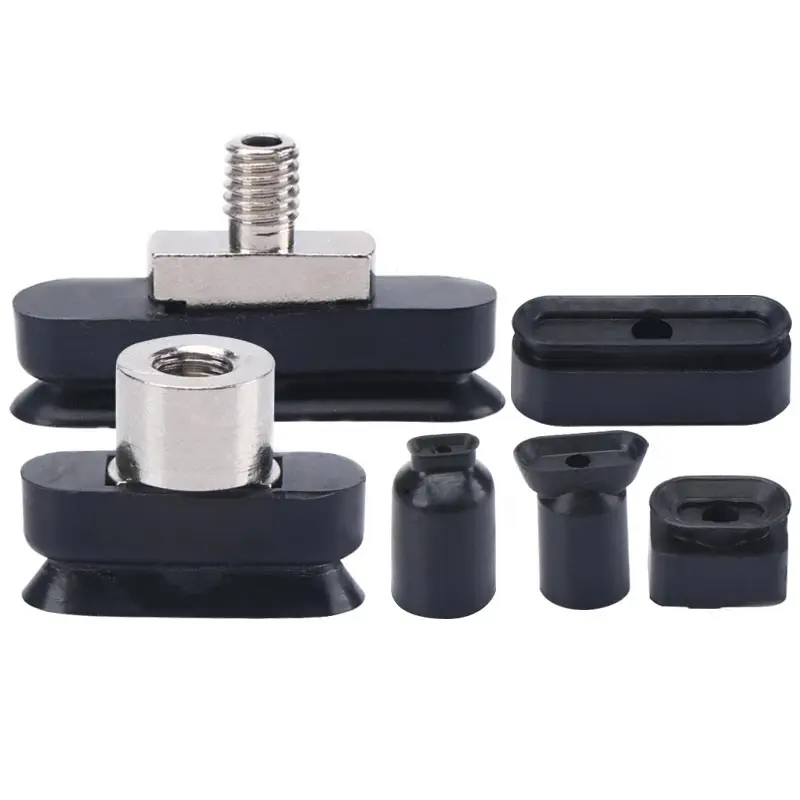
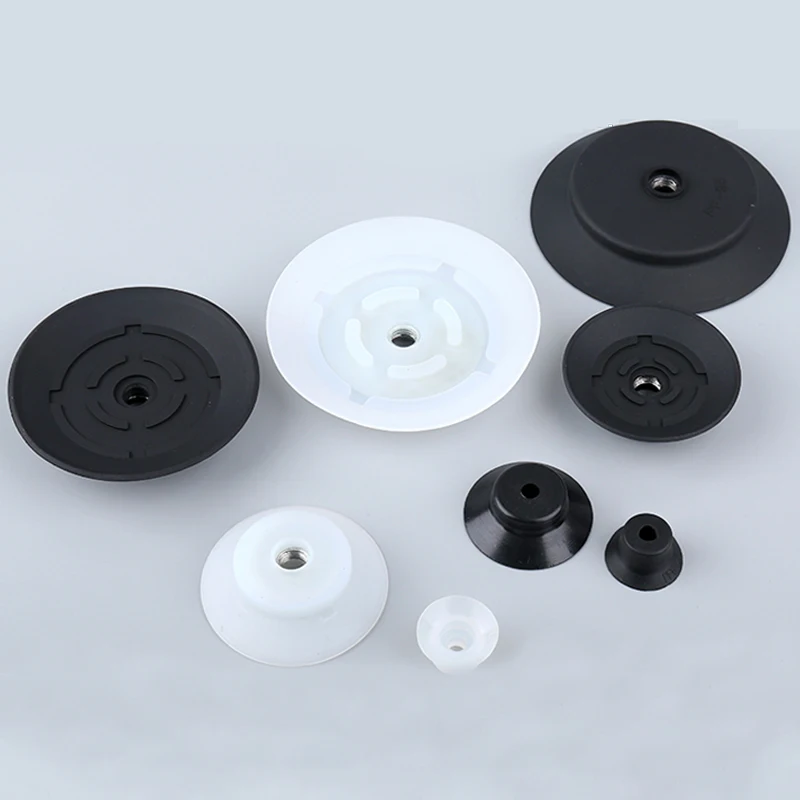
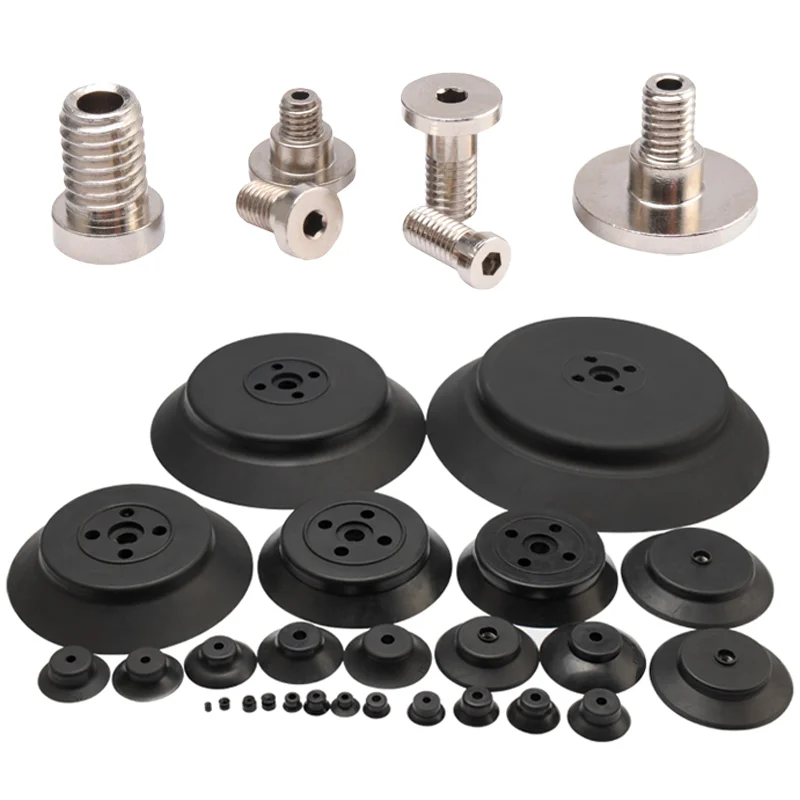
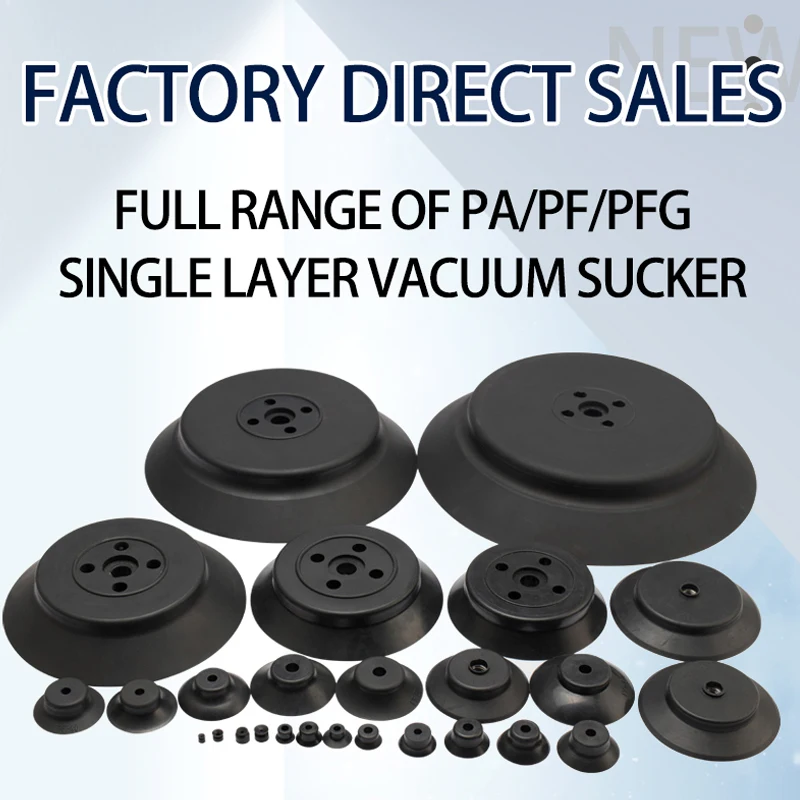
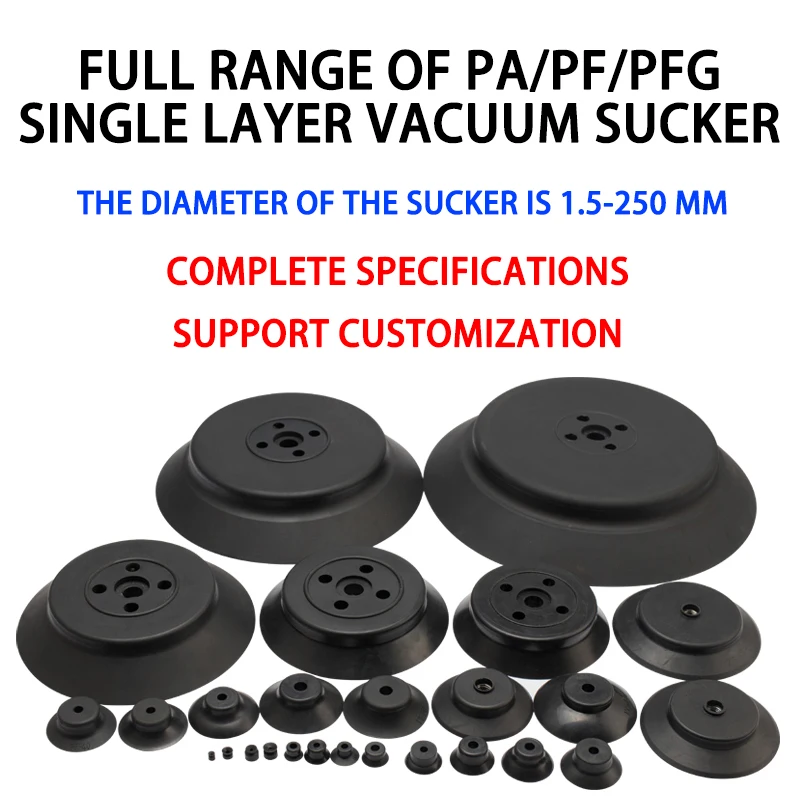
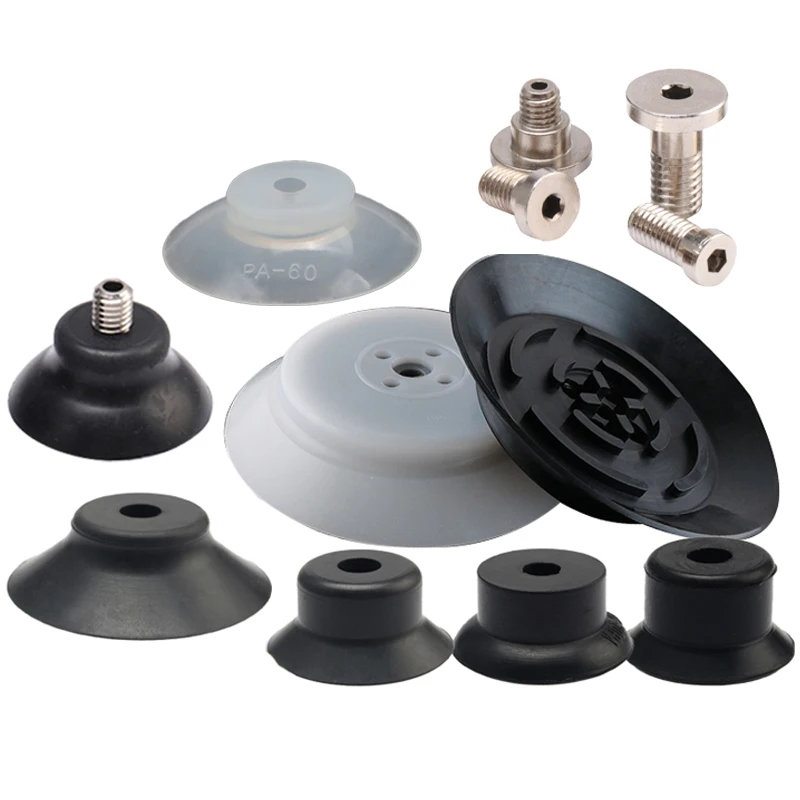
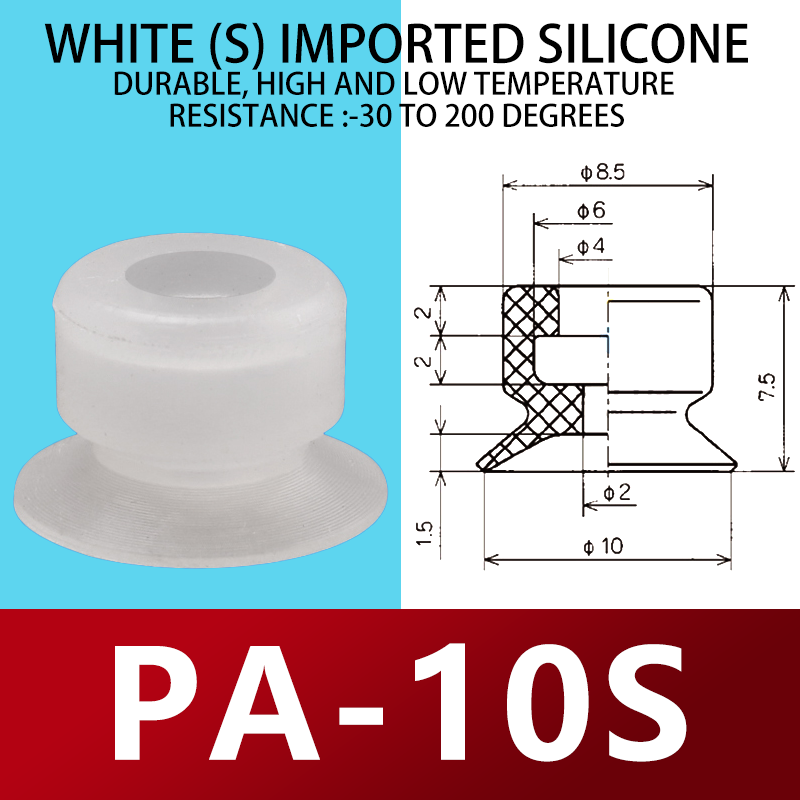
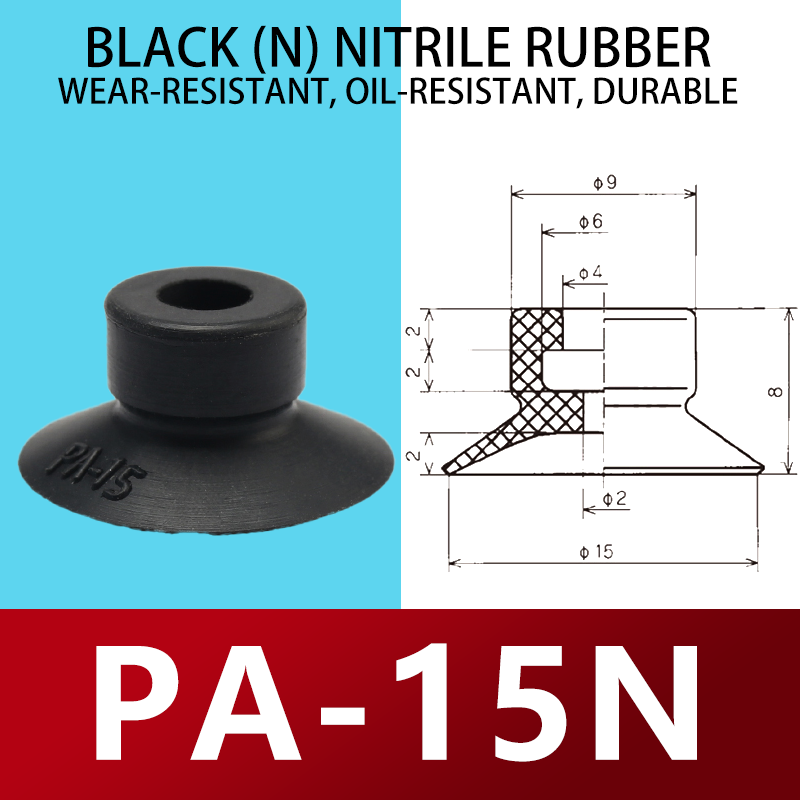
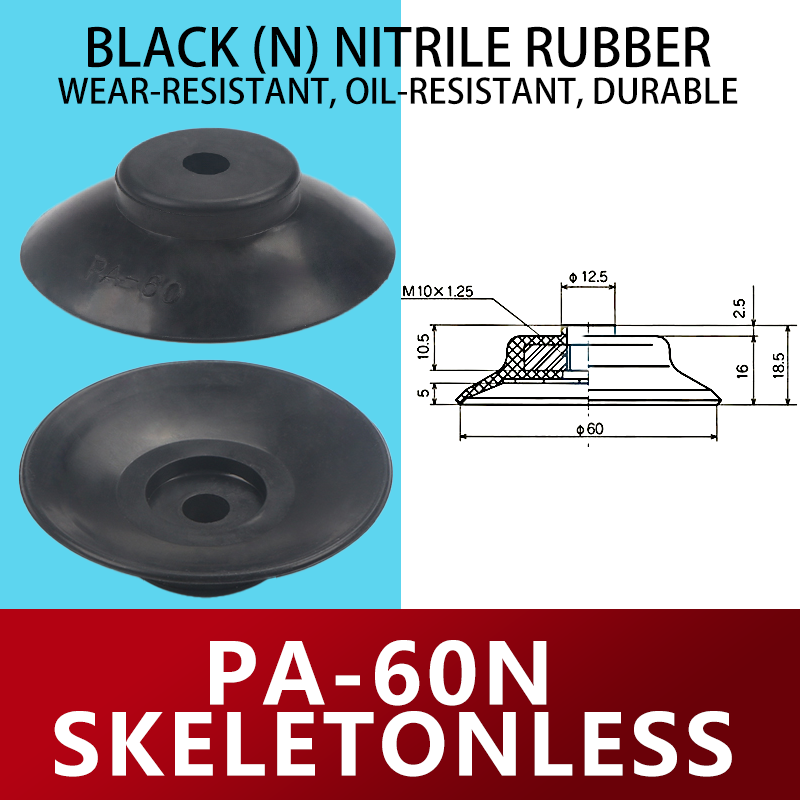
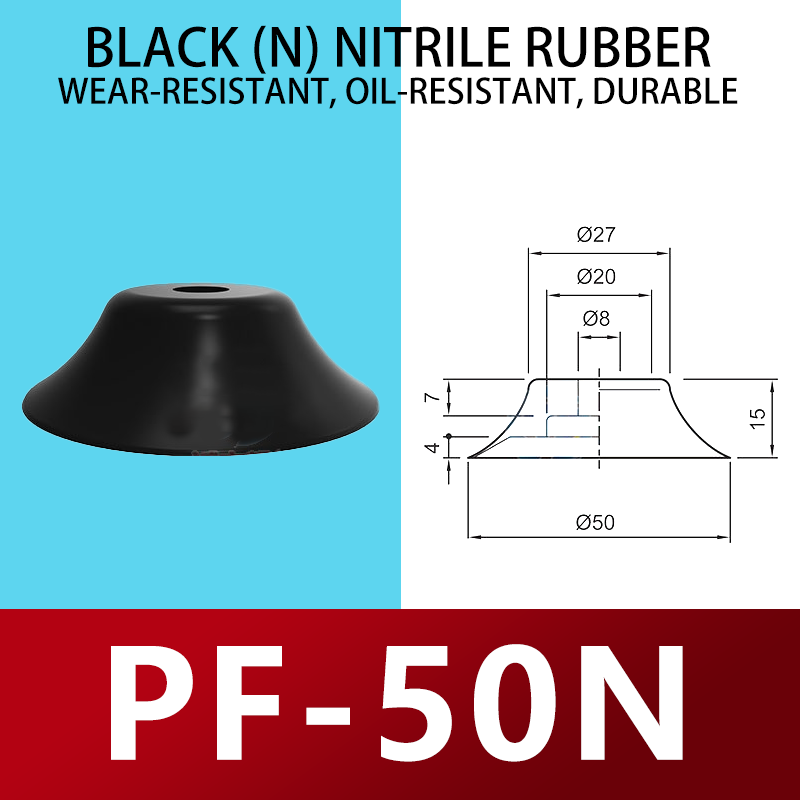
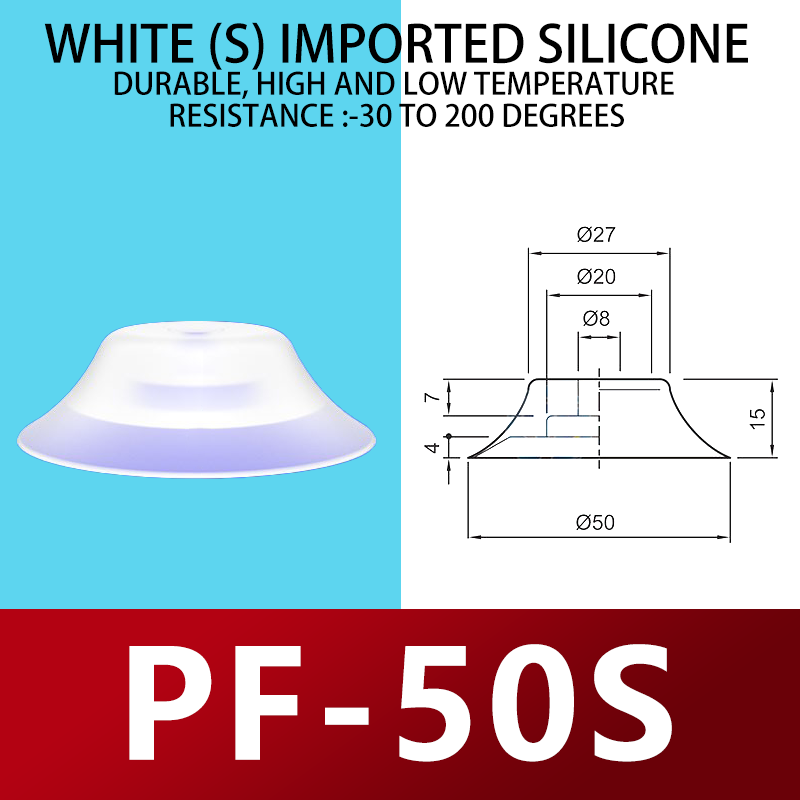
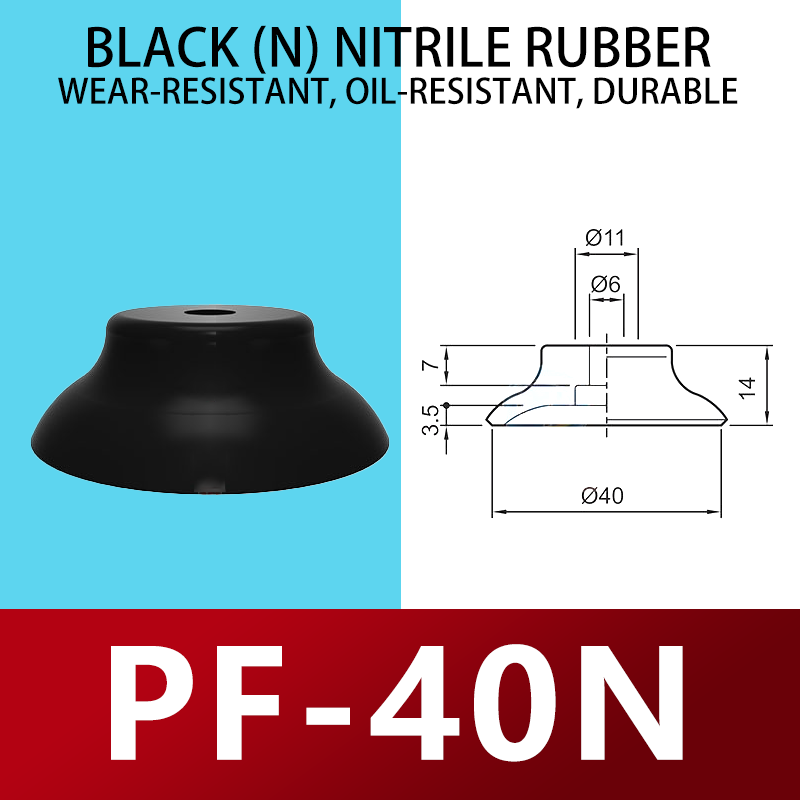
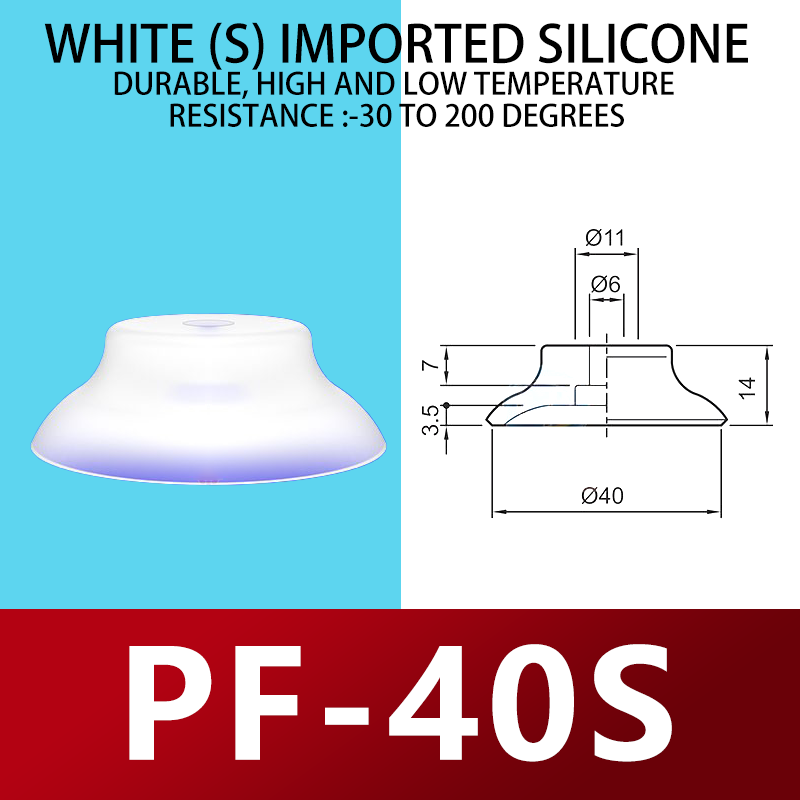
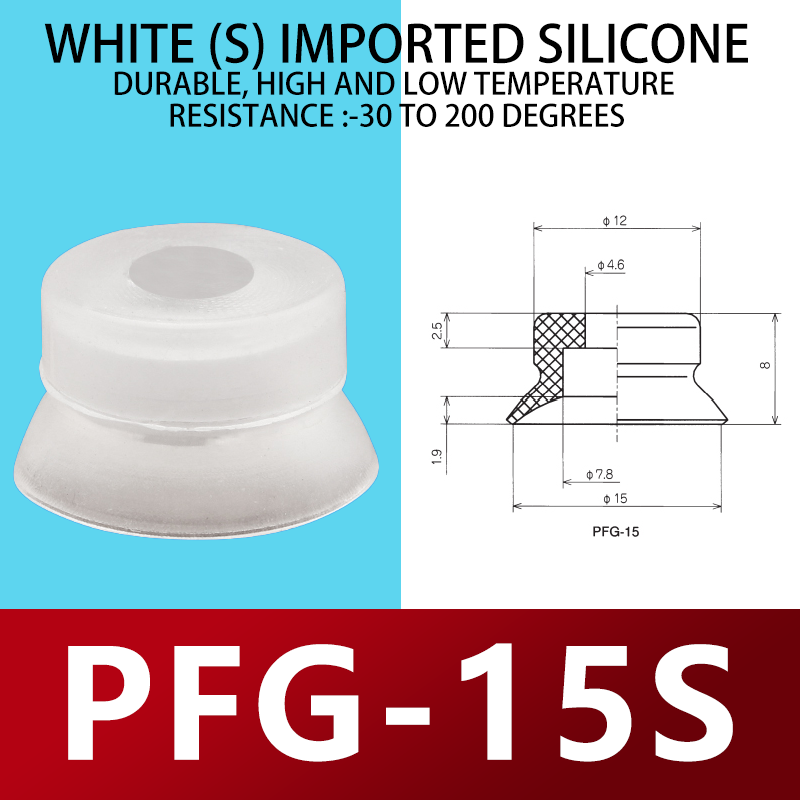
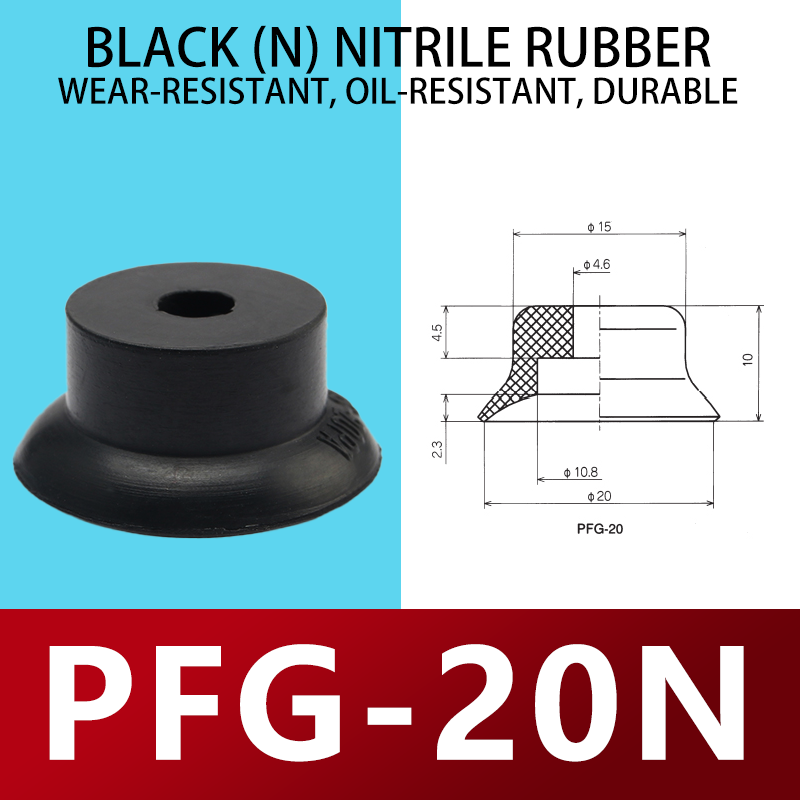
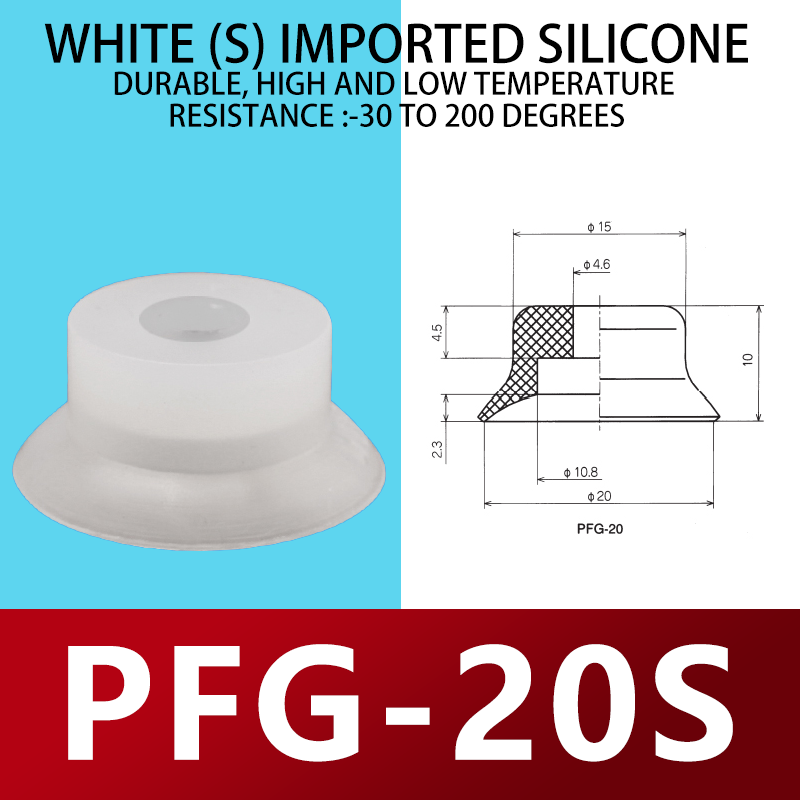
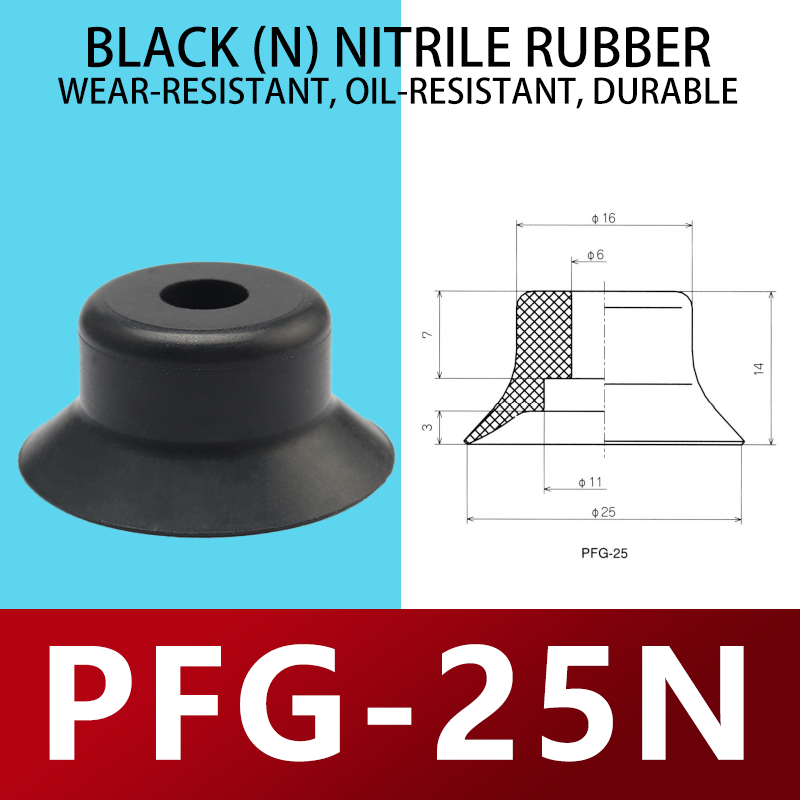
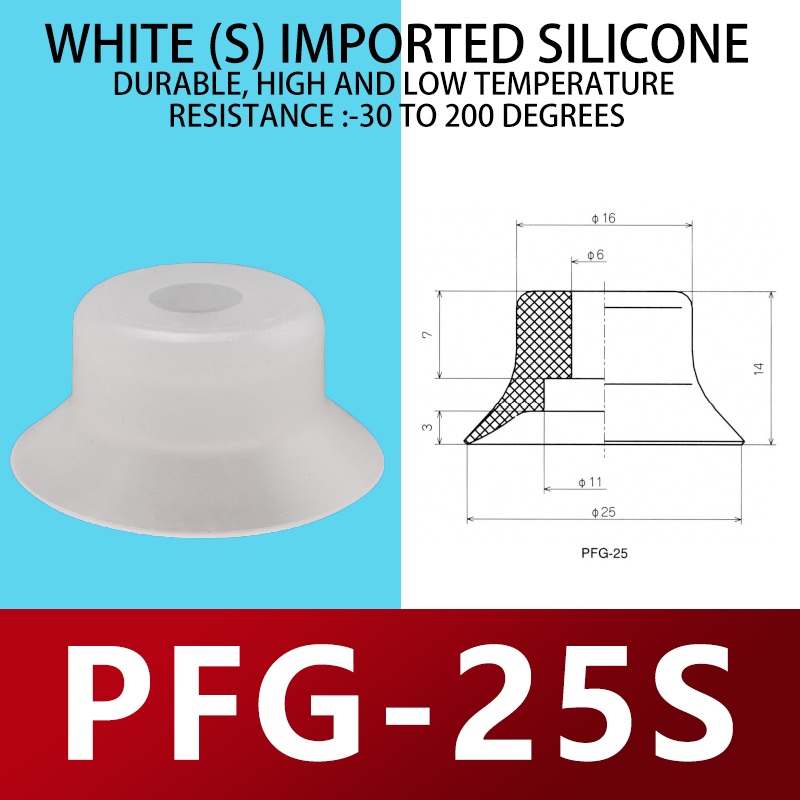
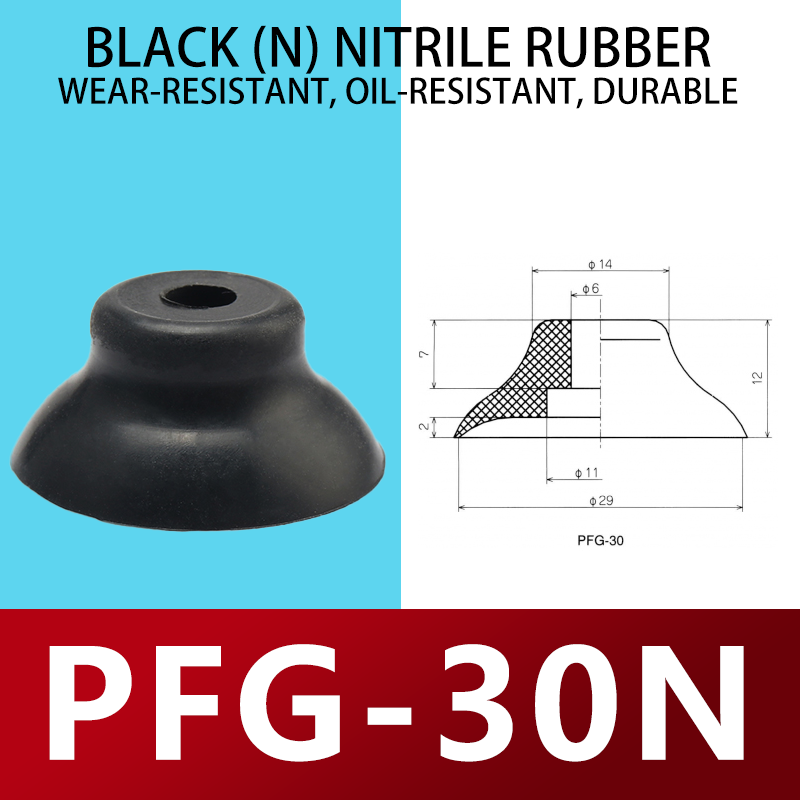
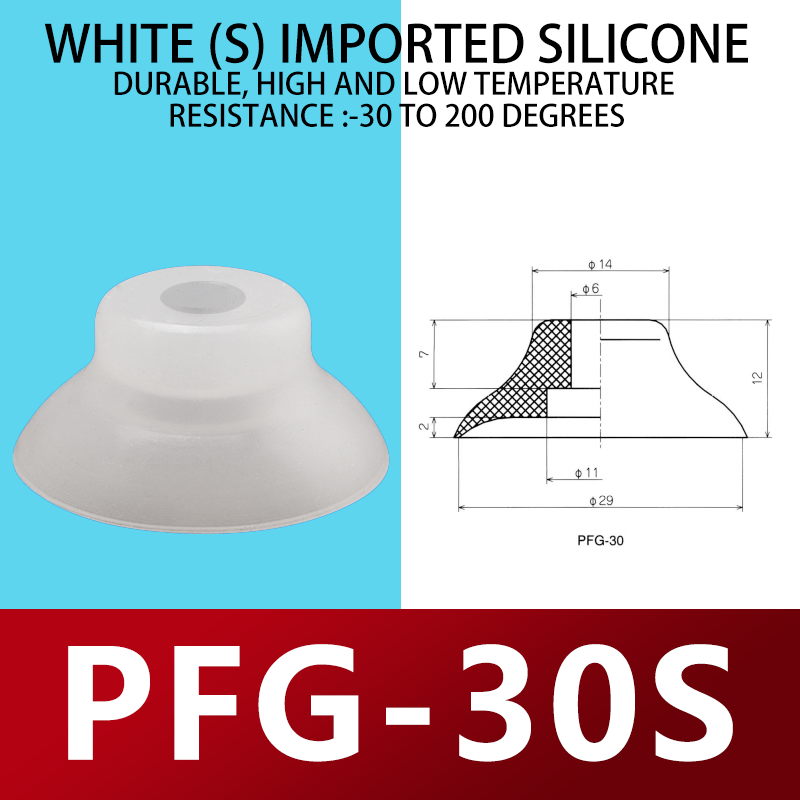
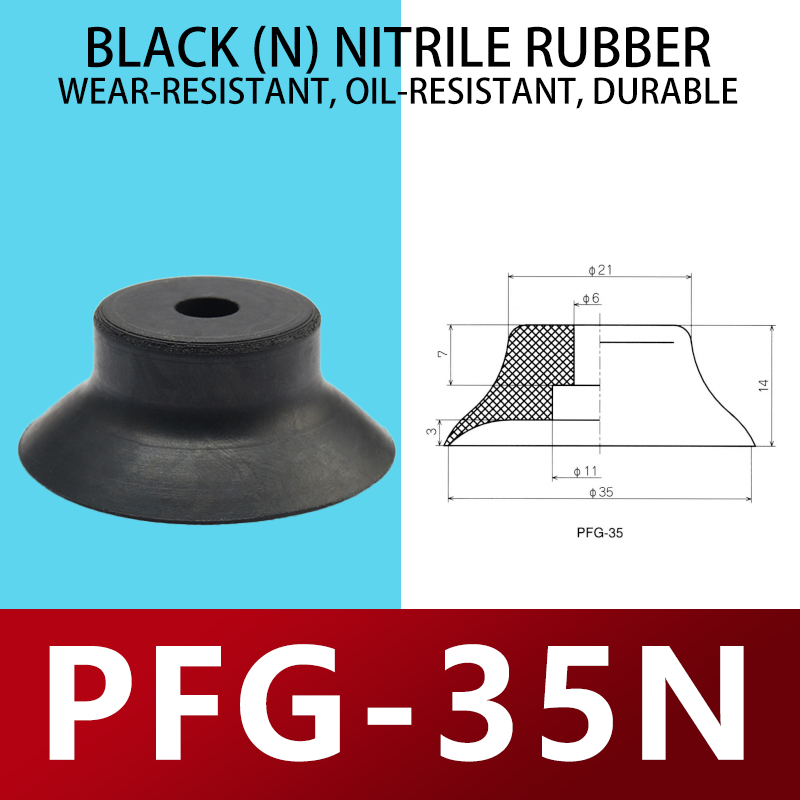
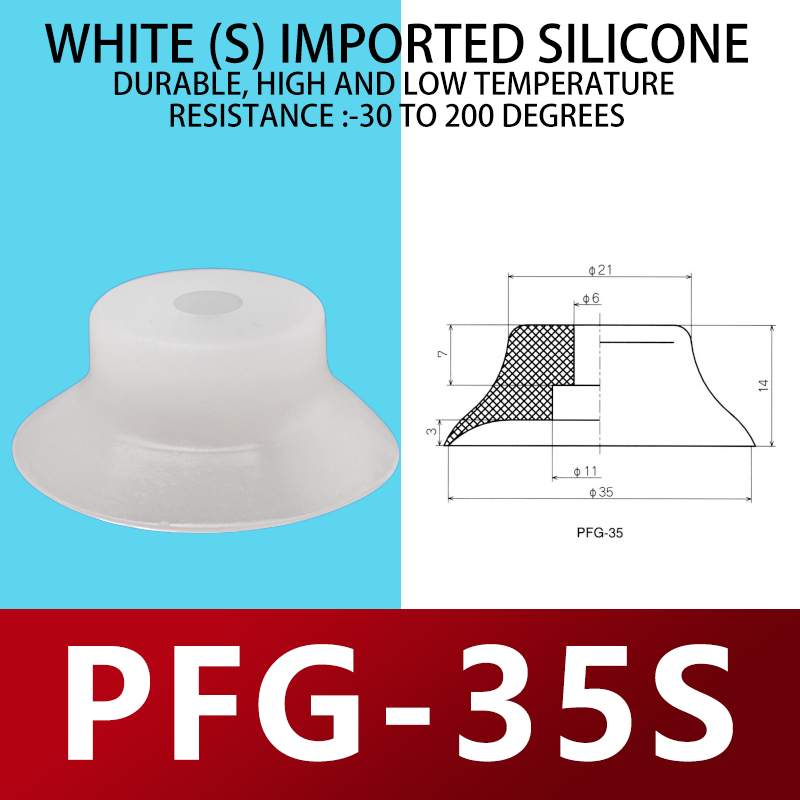
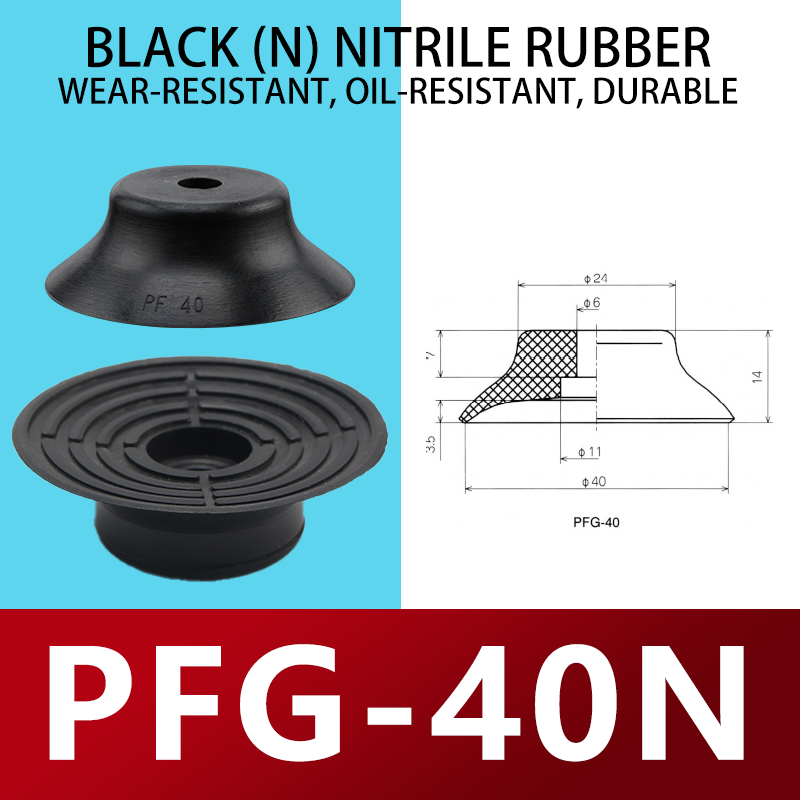
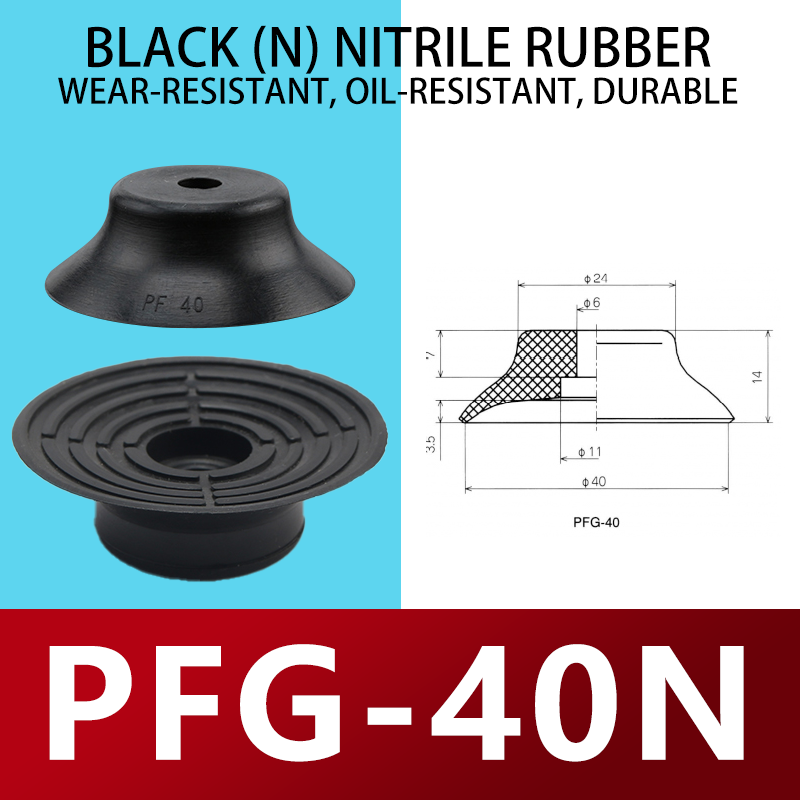
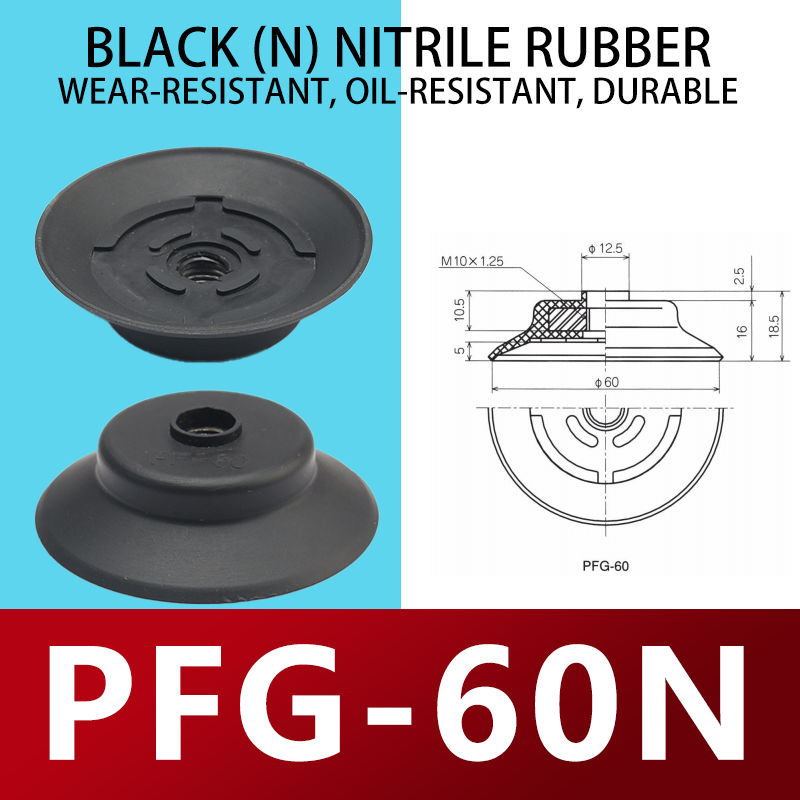
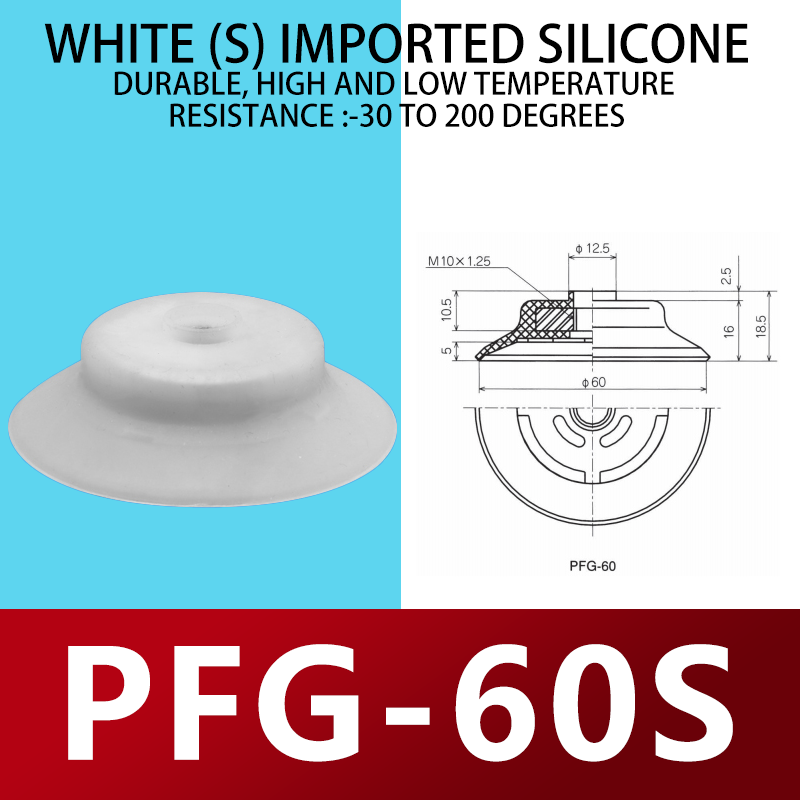
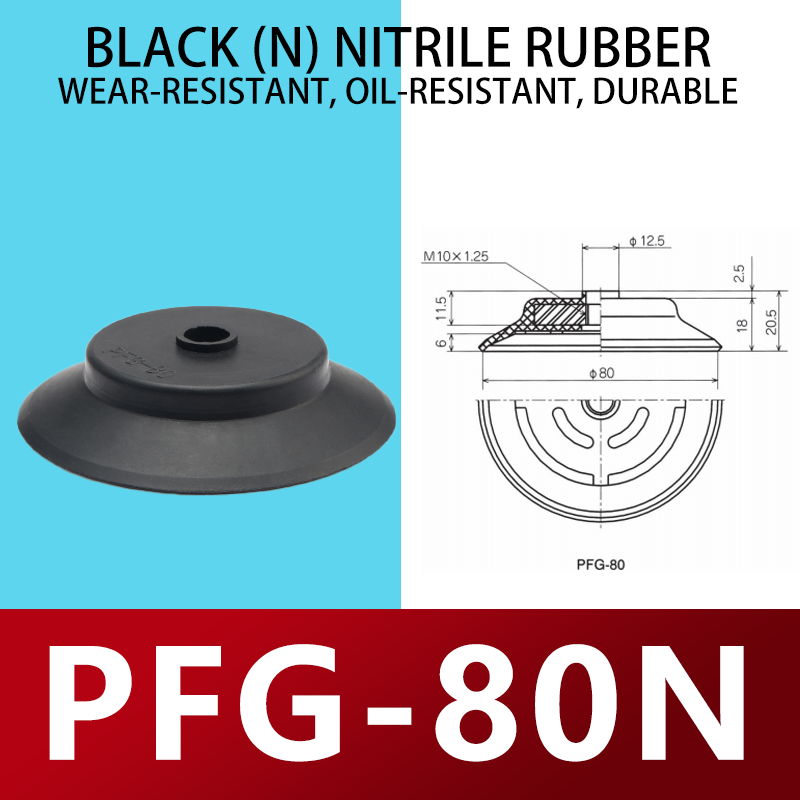
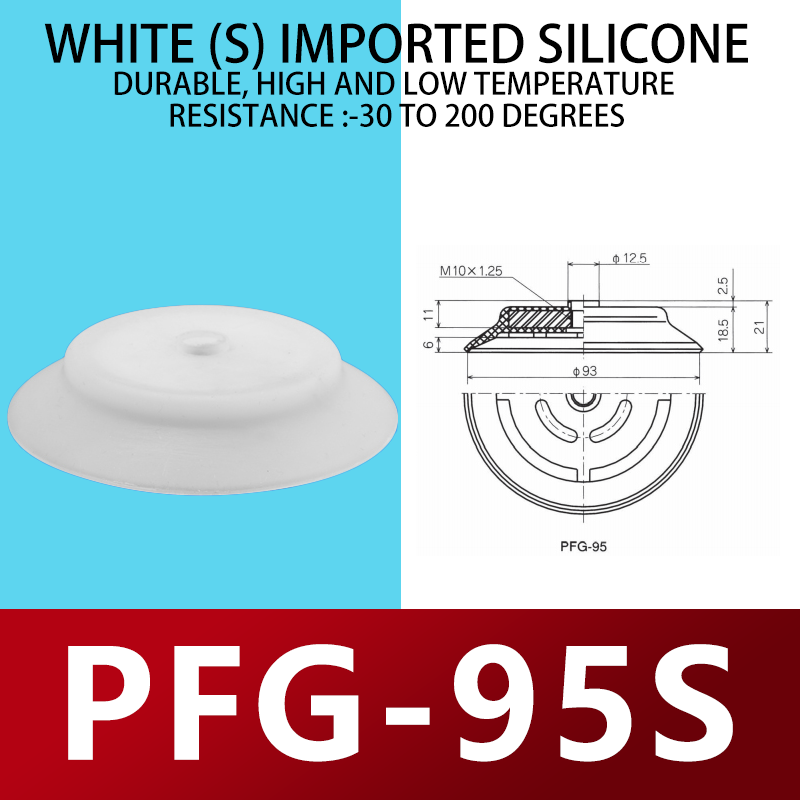
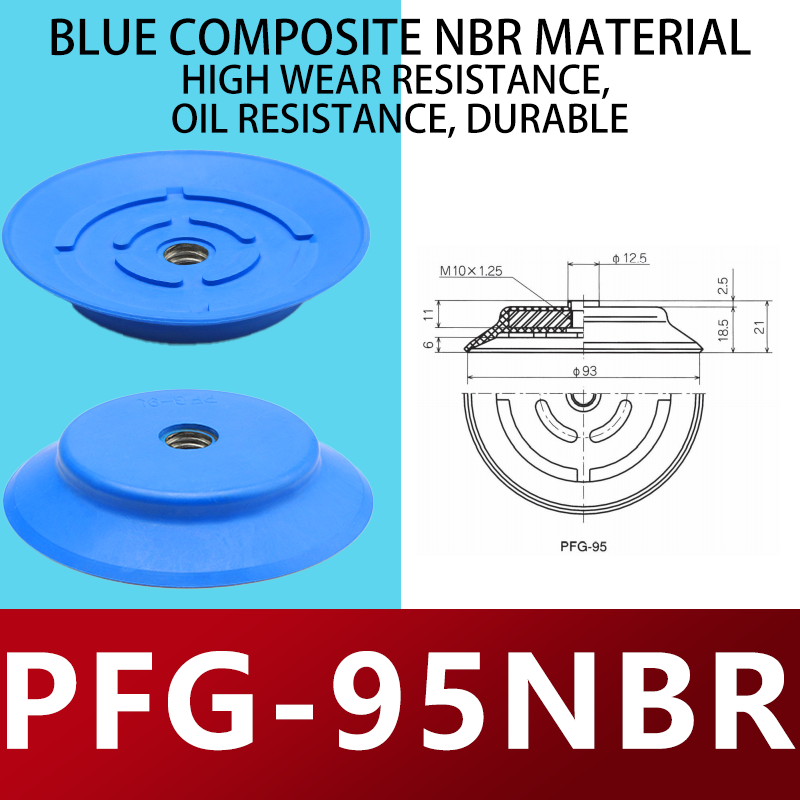
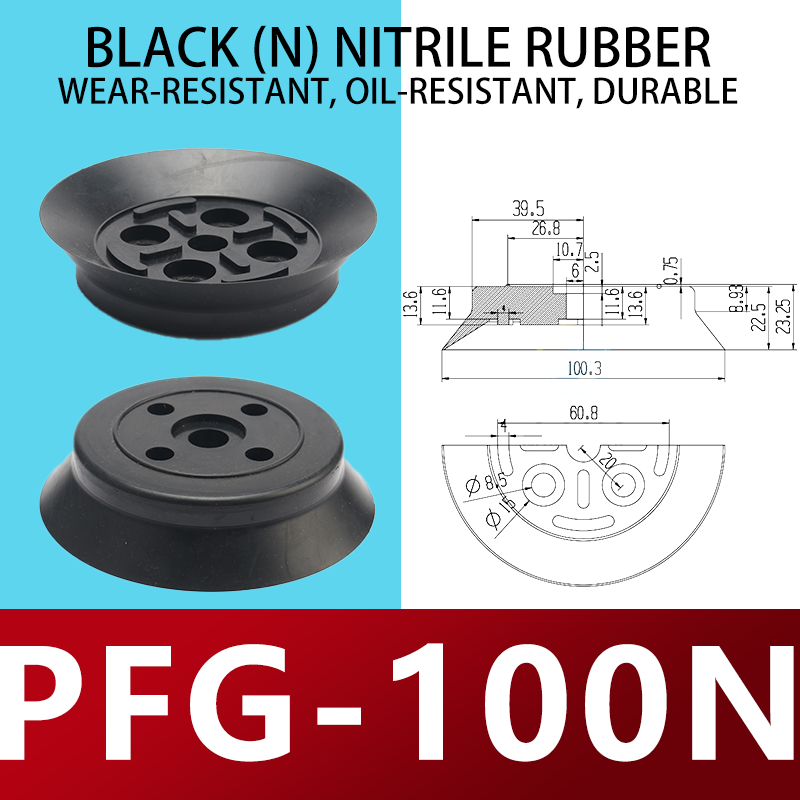
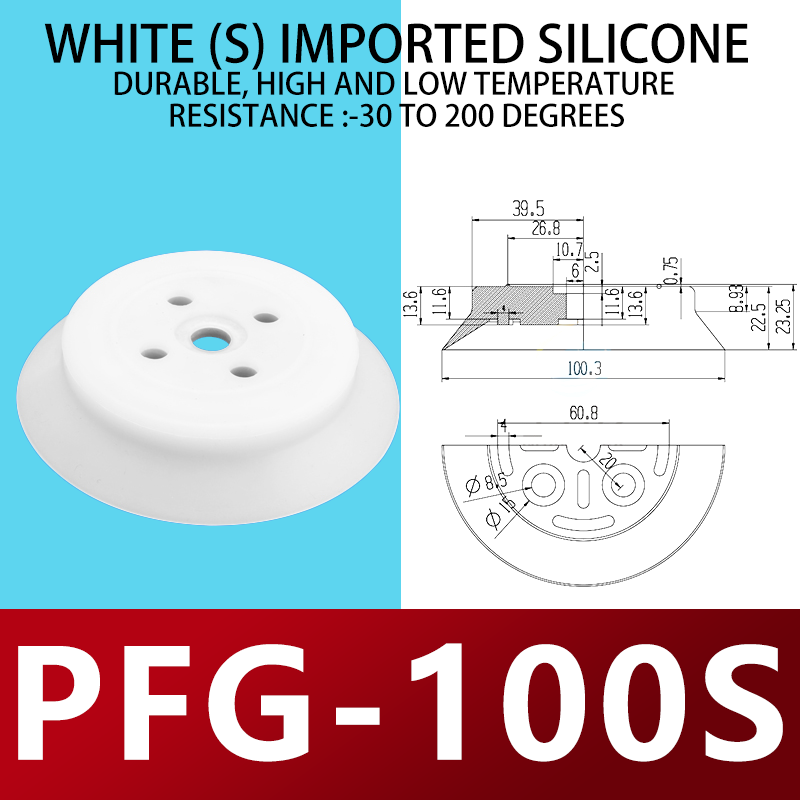
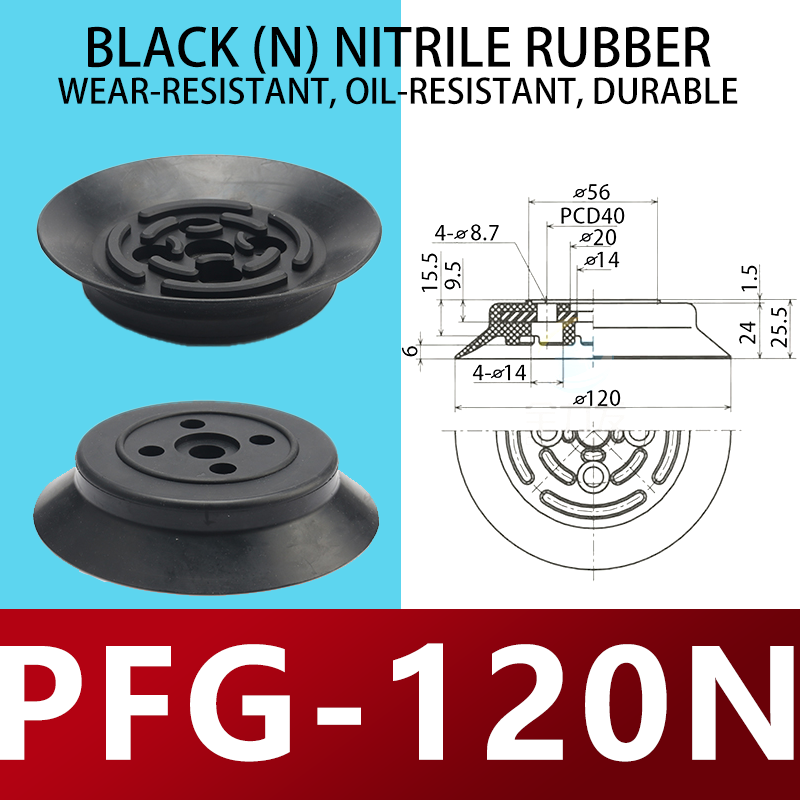
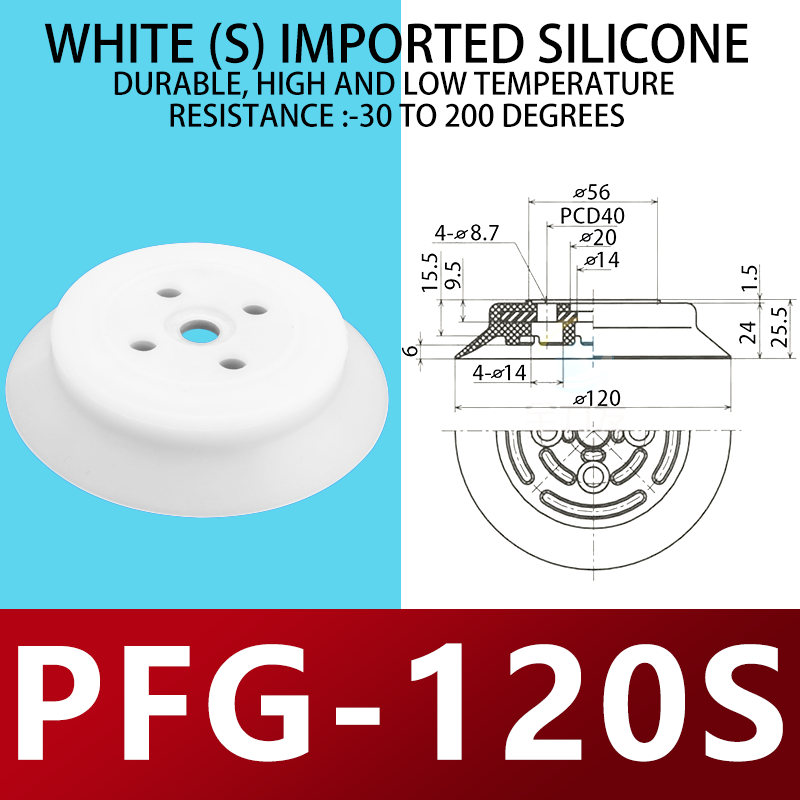
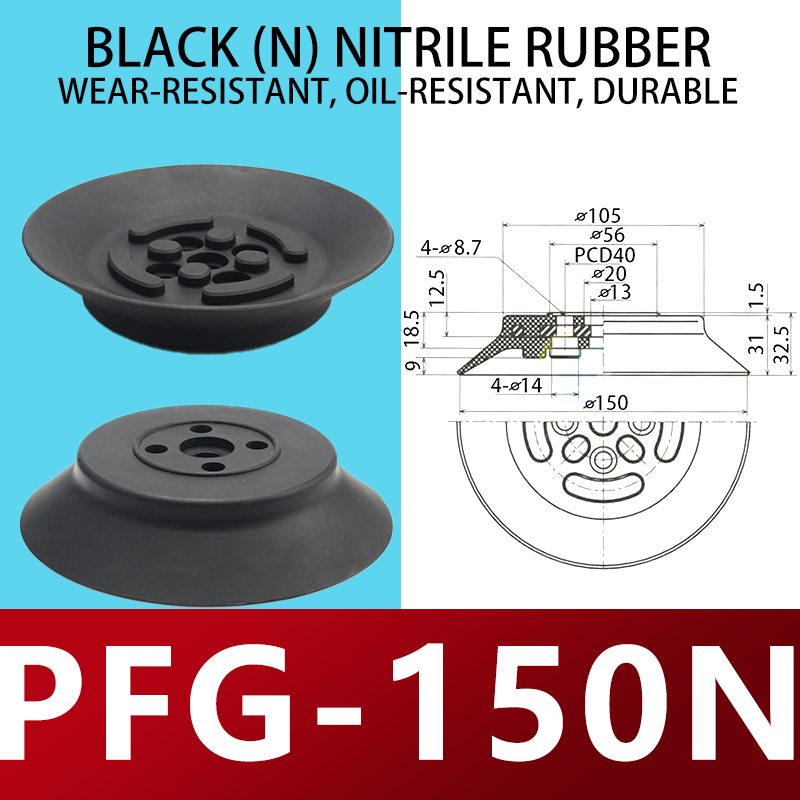
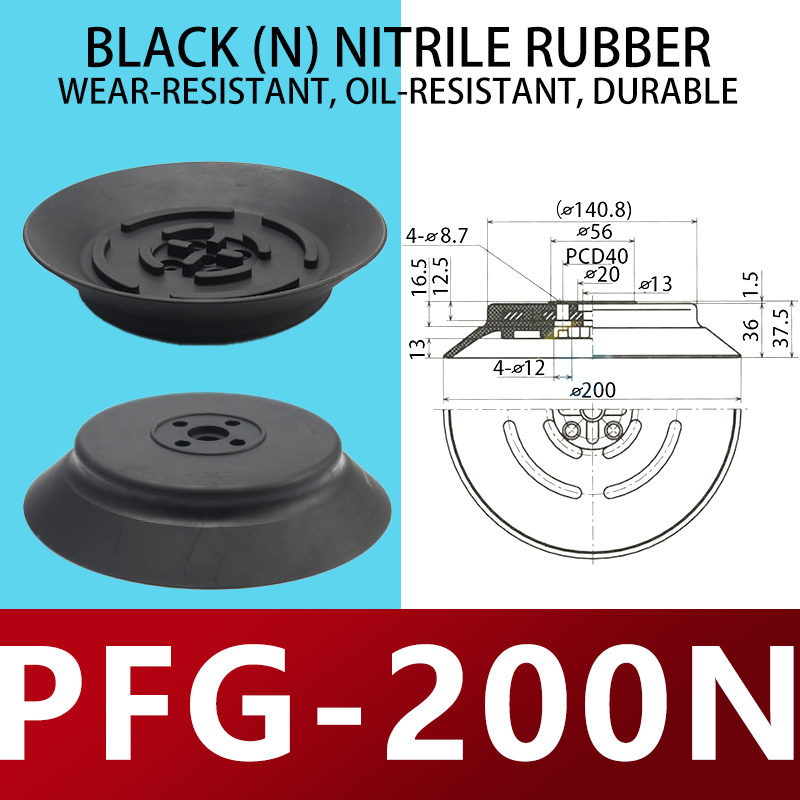
Three major series classified adaptation: PA series general-purpose type, suitable for most conventional flat workpieces, cost-effective; PF series thin-lip type, ultra-thin sealing lip, perfect fit for smooth high-gloss surfaces such as glass and acrylic, no trace; PFG series non-slip patterned type, with anti-slip texture on the lip, suitable for oily, wet and rough workpieces, preventing slipping.
Flat single-layer strong adsorption structure: Integrated single-layer flat design, maximum contact area with workpiece, uniform vacuum force dispersion, super strong adsorption force, single cup maximum lifting capacity up to 80kg, fully meeting heavy flat workpiece handling needs.
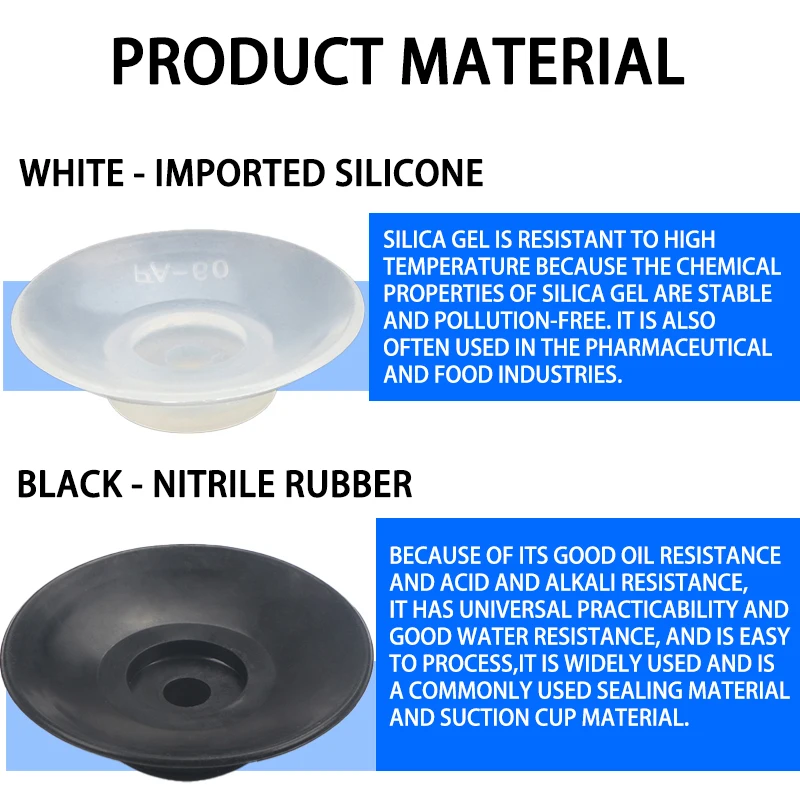
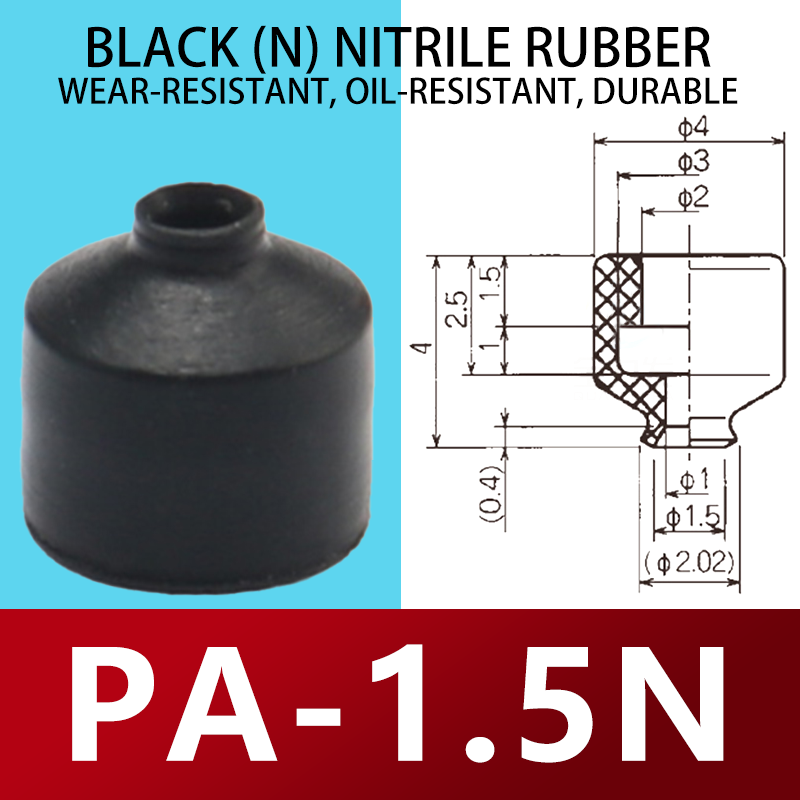
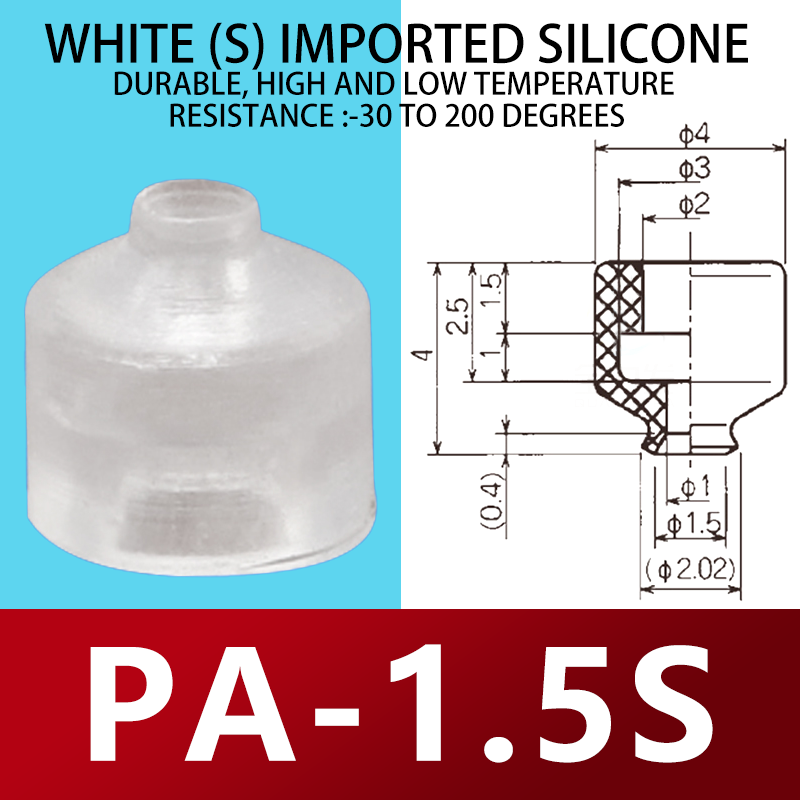
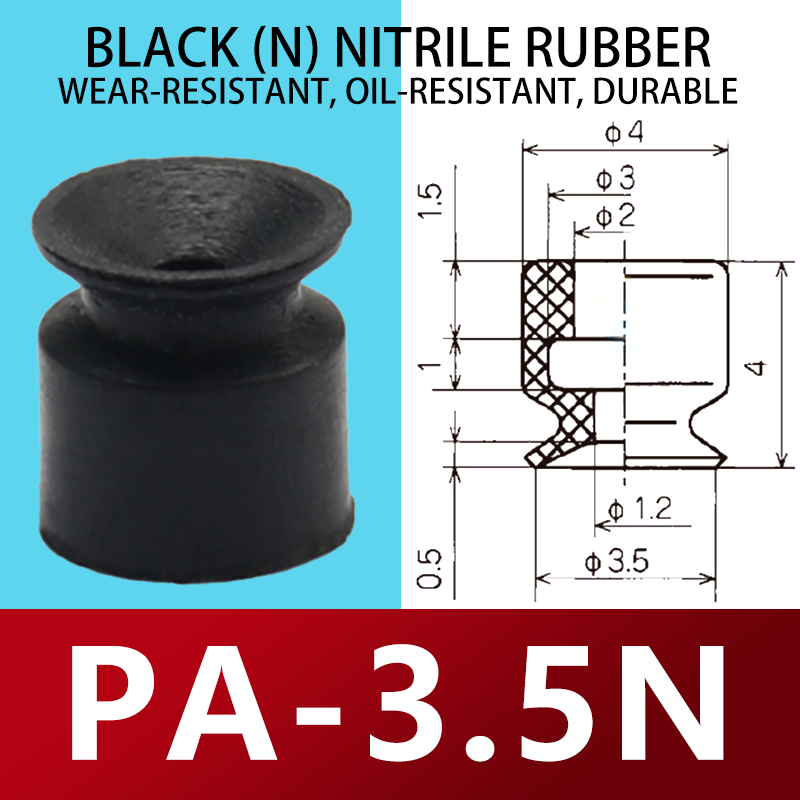
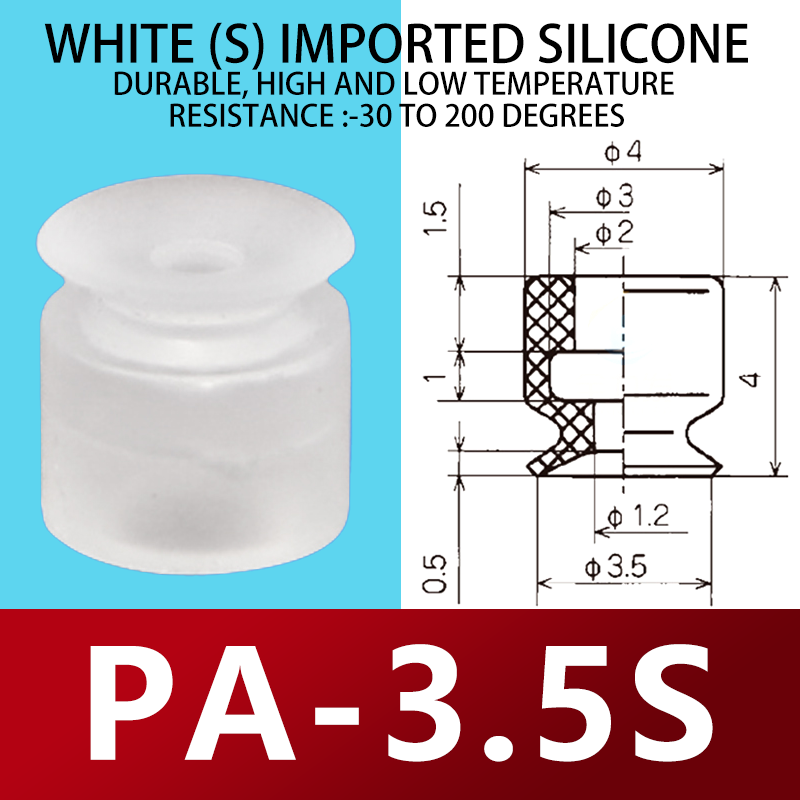
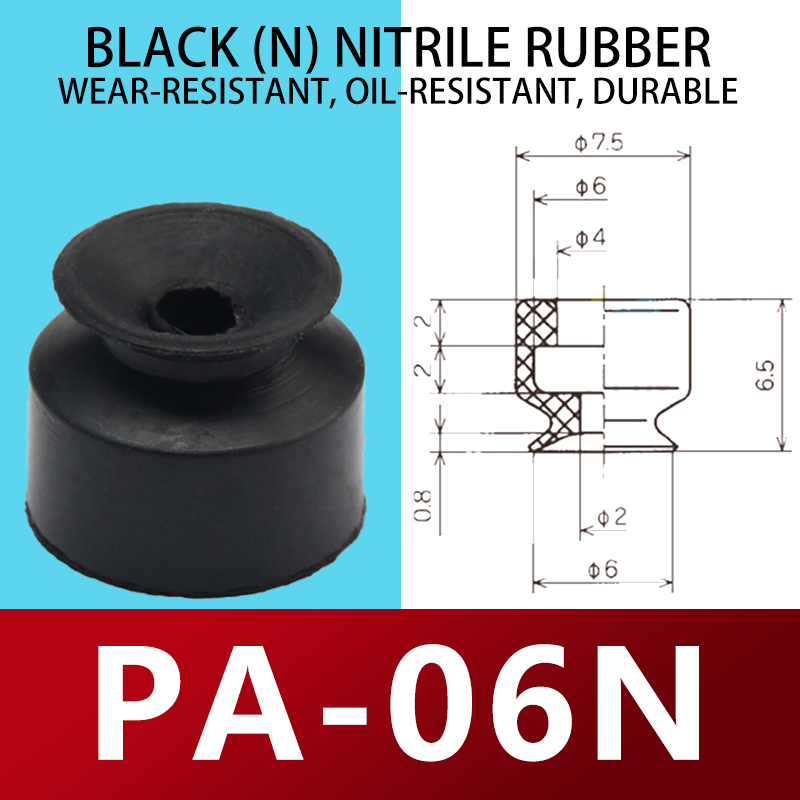
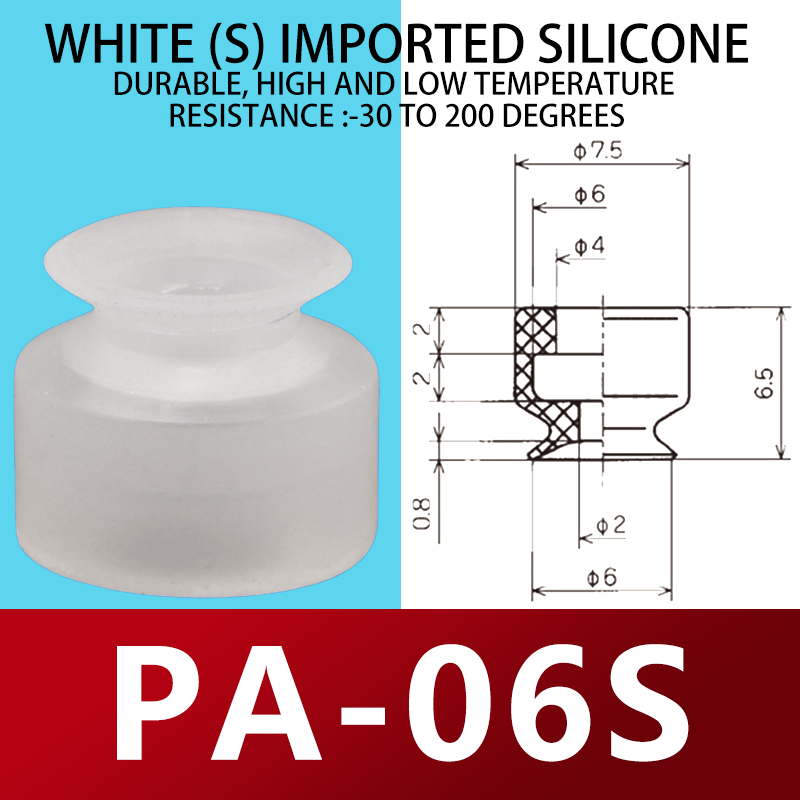
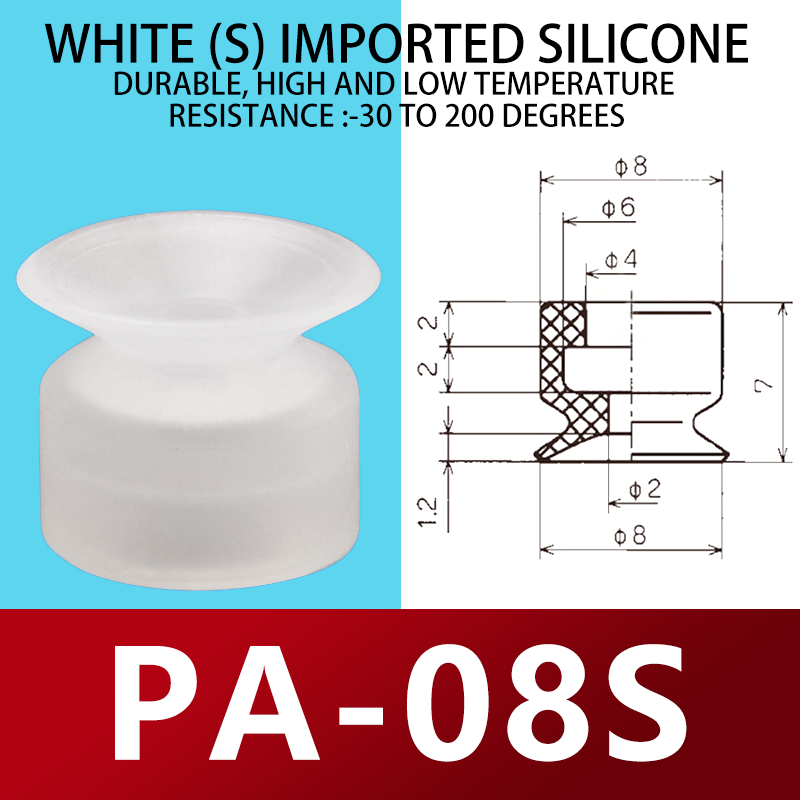
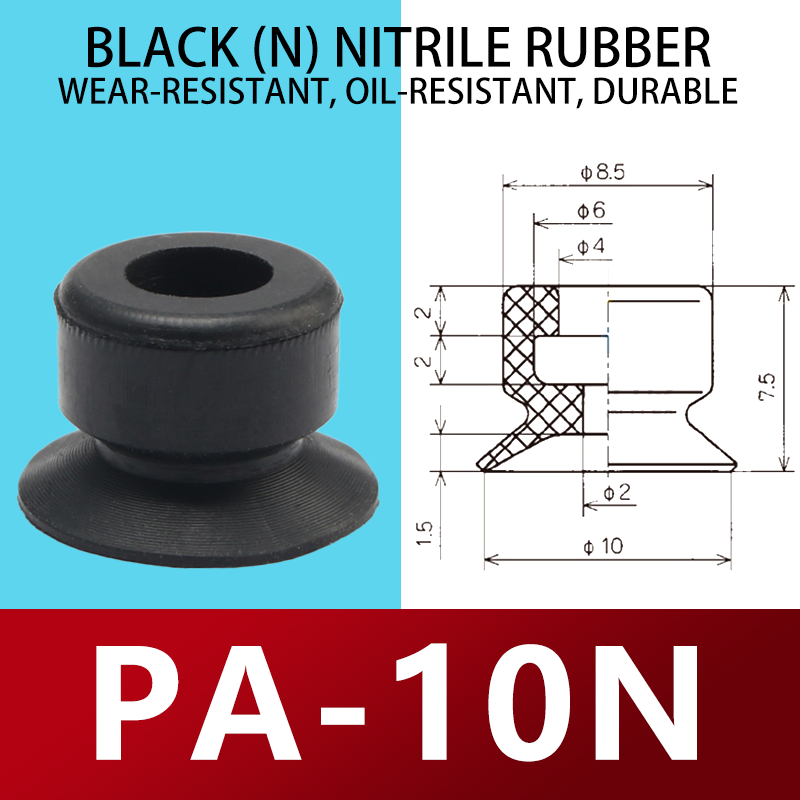
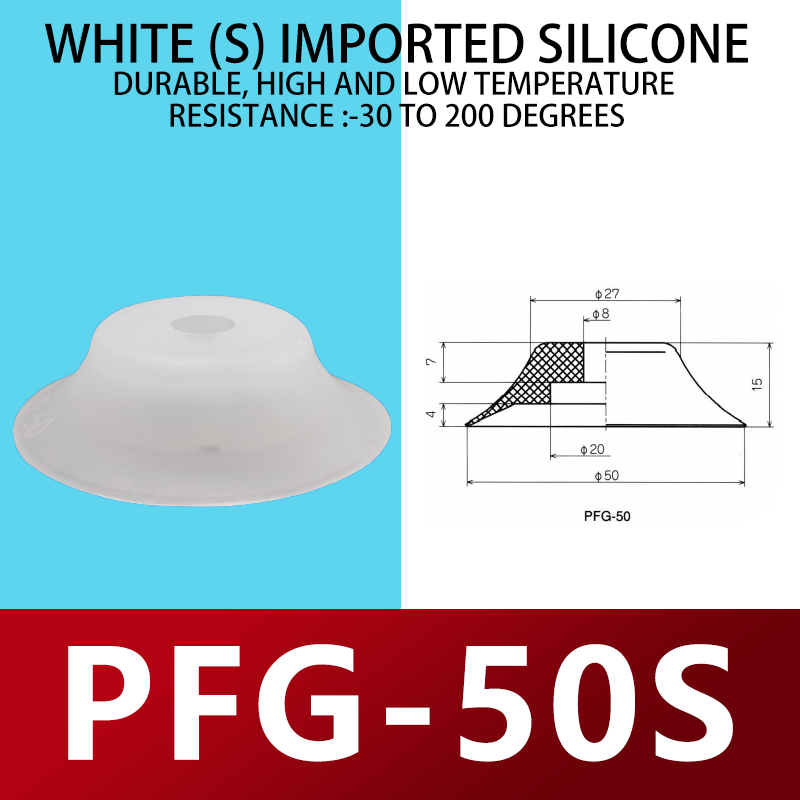
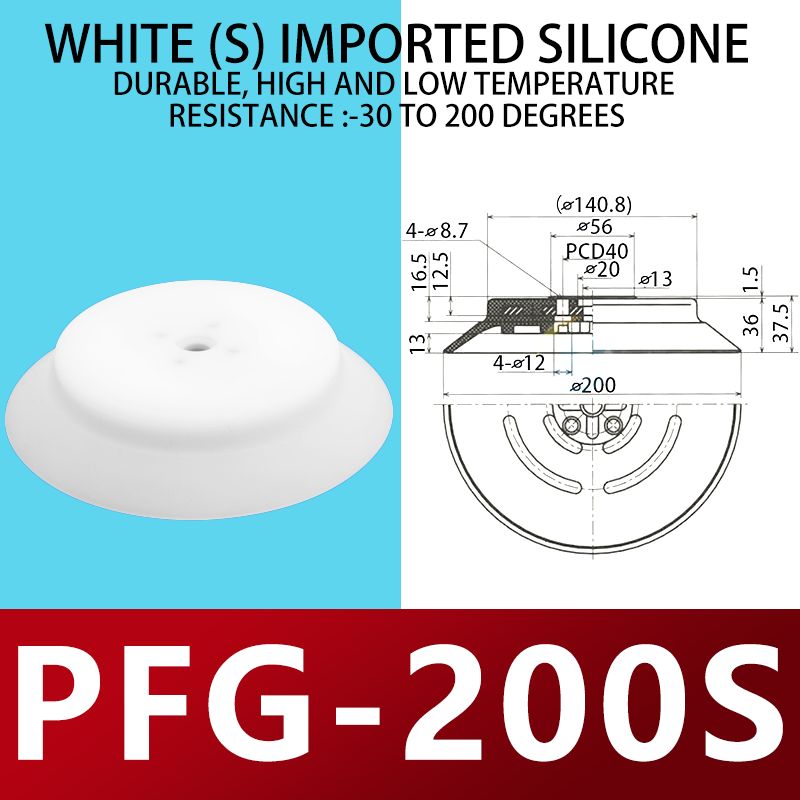
Multi-material optional adaptation: Standard nitrile rubber (NBR) material with excellent oil resistance, wear resistance and aging resistance, suitable for conventional industrial environments; optional food-grade silicone material with high and low temperature resistance, suitable for food, high-temperature processing and clean room environments.
High precision stable performance: Ultra-low overall height, no vertical telescopic deformation, maintains absolute horizontal stability during high-speed transfer, greatly improving the positioning accuracy of automated processing, assembly and loading processes, with positioning accuracy up to ±0.1mm.
Industrial grade wear-resistant durable: High-quality raw rubber formula with anti-aging and anti-fatigue additives, 2-3 times longer service life than ordinary suction cups, resistant to long-term friction with metal, glass and wood surfaces without cracking or hardening, reducing replacement frequency.
Universal standard interface compatibility: Unified national standard threaded connection interface, 100% interchangeable with mainstream brand same-type suction cups, no need for special adapter, directly installed on existing robot brackets and pneumatic systems, convenient for installation and replacement.
Product Advantages
First, three-series full-scene classified selection advantage. PA general-purpose, PF high-gloss special, PFG anti-slip special three series cover almost all flat workpiece gripping scenarios, realizing one-stop model selection for automation enterprises, avoiding the trouble of cross-brand and cross-series procurement. Second, flat structure high precision strong suction advantage. Single-layer flat structure has no telescopic deformation, high positioning accuracy, and large contact area generates super strong adsorption force, perfectly adapting to heavy flat workpiece high-precision handling needs. Third, industrial grade long service life advantage. High-quality raw rubber formula with anti-aging additive, excellent wear resistance and tear resistance, maintains stable performance under long-term heavy-load high-frequency operation, greatly reduces replacement frequency and equipment downtime maintenance costs. Fourth, multi-material wide working condition adaptation. Nitrile rubber and silicone dual material options, adaptable to normal temperature, high temperature, low temperature, oil mist, clean room, food contact and other different working environments, meeting the diversified needs of various industries. Fifth, universal interchangeable cost advantage. Standard interface and installation size are fully compatible with existing mainstream pneumatic systems and robot equipment, no need to modify equipment fixtures, direct replacement and use, zero transformation cost, greatly reducing the procurement and transformation cost of automation spare parts.
How to Use
First, select the corresponding series, size and material according to the workpiece surface condition, weight and working environment: select PA series for conventional flat workpieces; choose PF series for smooth high-gloss workpieces such as glass and acrylic; adopt PFG series for oily, wet and rough workpieces. Select nitrile rubber for conventional industrial environments, and choose silicone for high temperature, food or clean room scenarios. Second, inspect the flat sealing lip of the suction cup before installation, confirm no cracks, scratches, hardening, aging and debris adhesion, ensure the rubber surface is flat and intact to avoid vacuum leakage. Third, align the standard threaded interface of the suction cup with the robot bracket or vacuum connector, screw and lock firmly, apply appropriate thread sealant if necessary to prevent air leakage caused by high-frequency vibration. Fourth, connect the vacuum pipeline and conduct air tightness test, adjust the vacuum negative pressure to the recommended range of -60kPa~-90kPa (adjust according to workpiece weight and surface condition), check that there is no air leakage at the interface and the sealing surface is evenly fitted. Fifth, carry out trial adsorption operation on the target workpiece, verify that the workpiece is firmly adsorbed without offset, shaking or slipping, confirm that it can be lifted stably at the set moving speed without falling off, and the positioning accuracy meets the requirements. Sixth, start formal automated production after passing the trial run. For daily maintenance, regularly wipe the flat sealing surface with clean soft cloth to remove dust, oil stains and debris, check the rubber hardness and wear degree every month, and replace the suction cup in time if obvious hardening, cracking or suction weakening occurs.













 EN
EN
 AR
AR
 BG
BG
 HR
HR
 CS
CS
 DA
DA
 NL
NL
 FI
FI
 FR
FR
 DE
DE
 HI
HI
 IT
IT
 KO
KO
 NO
NO
 PL
PL
 PT
PT
 RO
RO
 RU
RU
 ES
ES
 SV
SV
 TL
TL
 ID
ID
 SR
SR
 UK
UK
 ET
ET
 HU
HU
 TH
TH
 TR
TR
 FA
FA
 AF
AF
 MS
MS
 GA
GA
 BE
BE
 MK
MK
 AZ
AZ
 BN
BN
 LA
LA
 UZ
UZ
 HAW
HAW
 KY
KY