Product Features
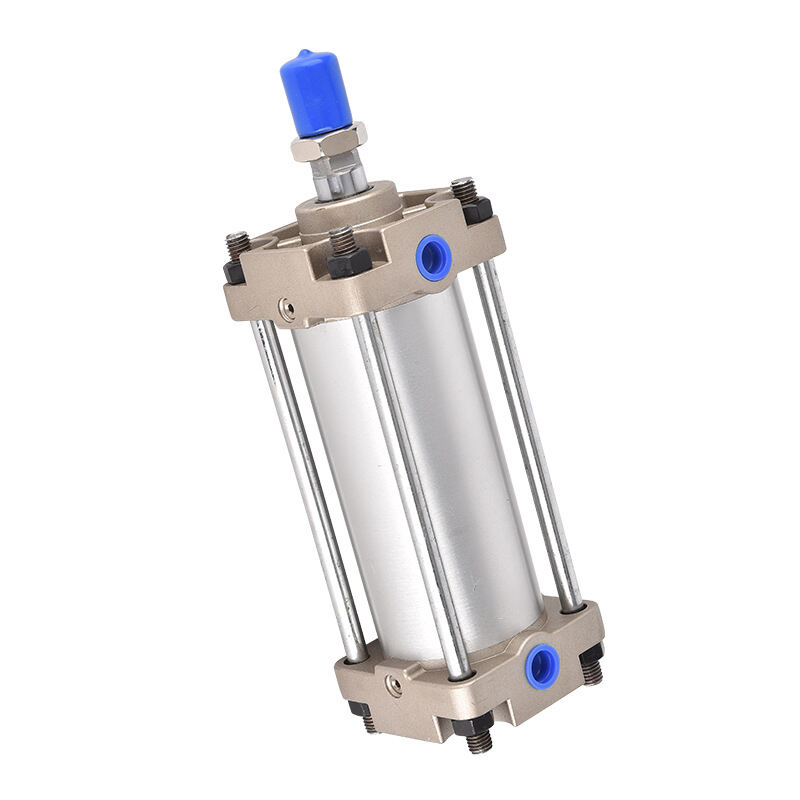
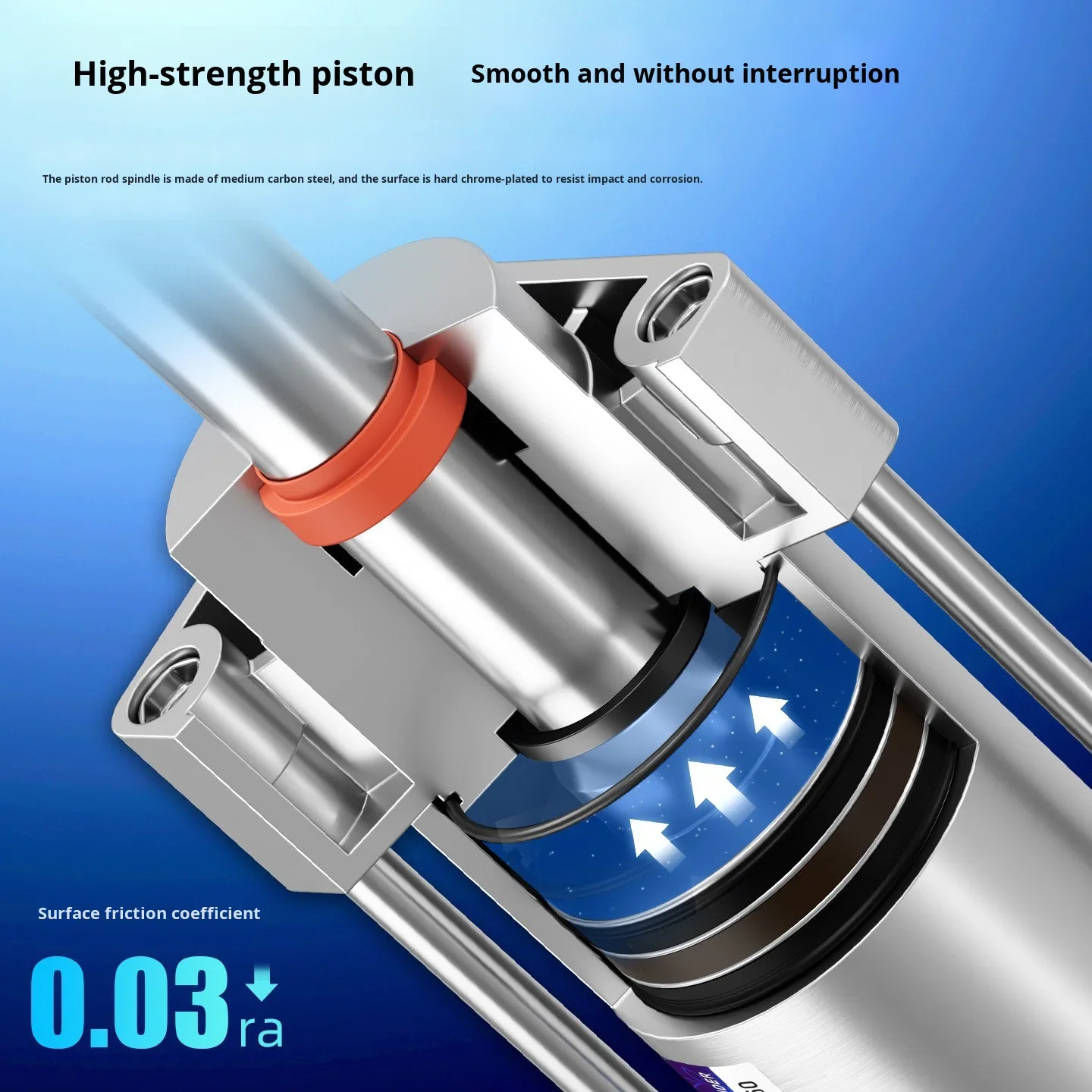
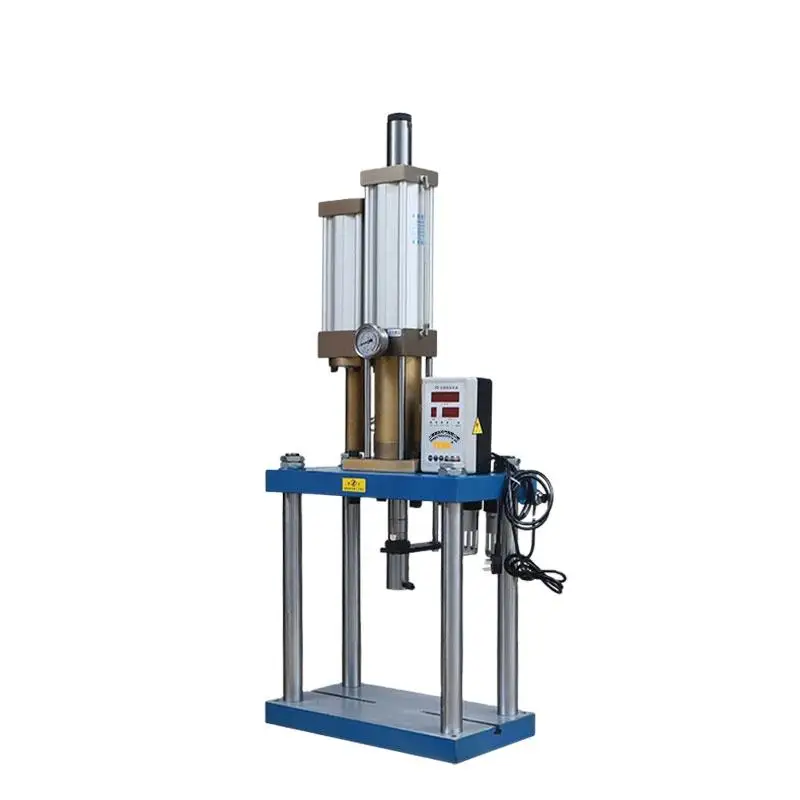
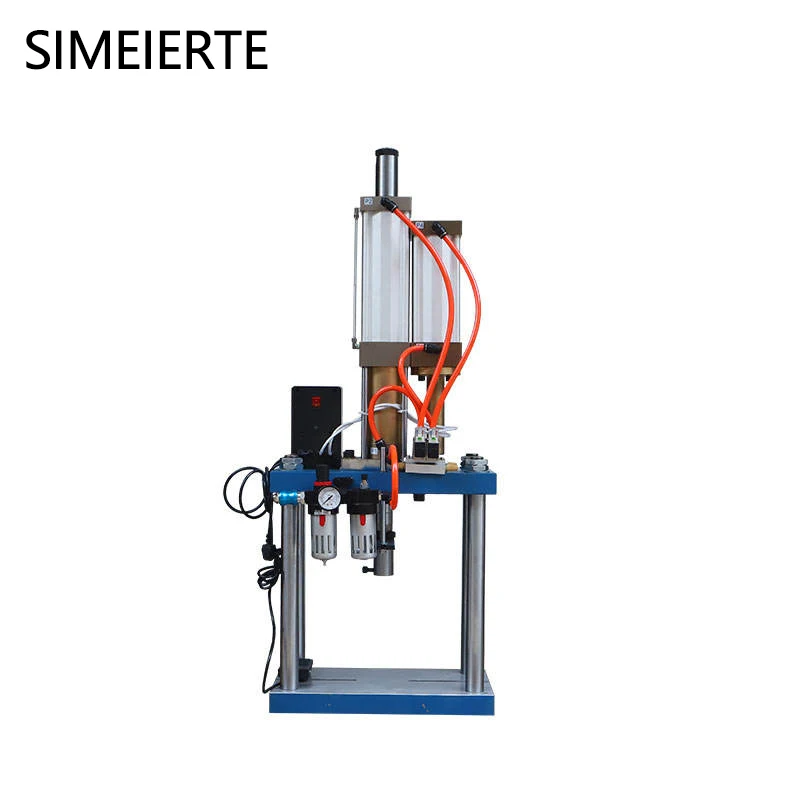
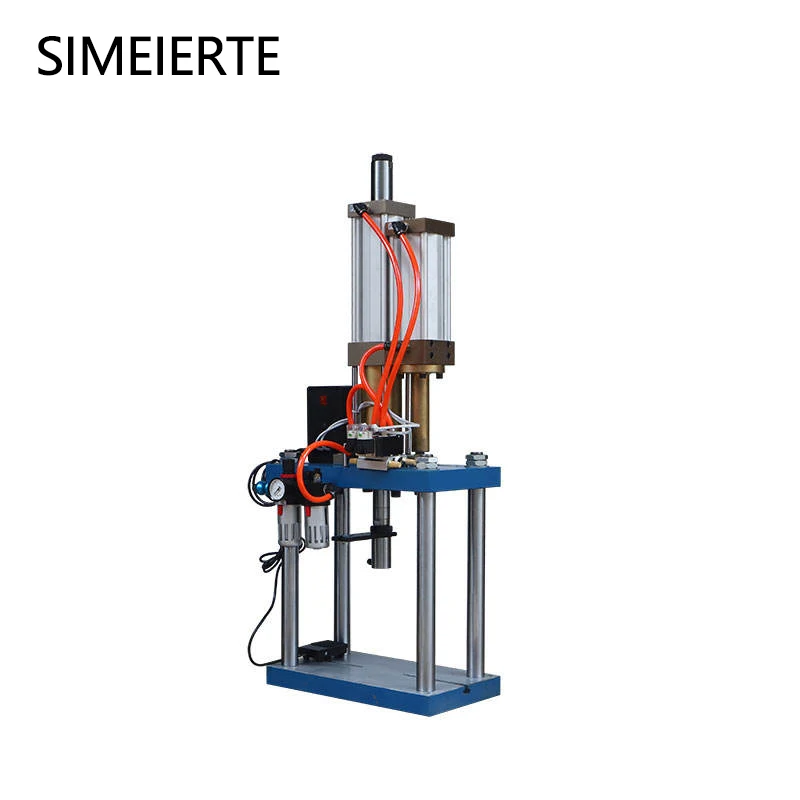
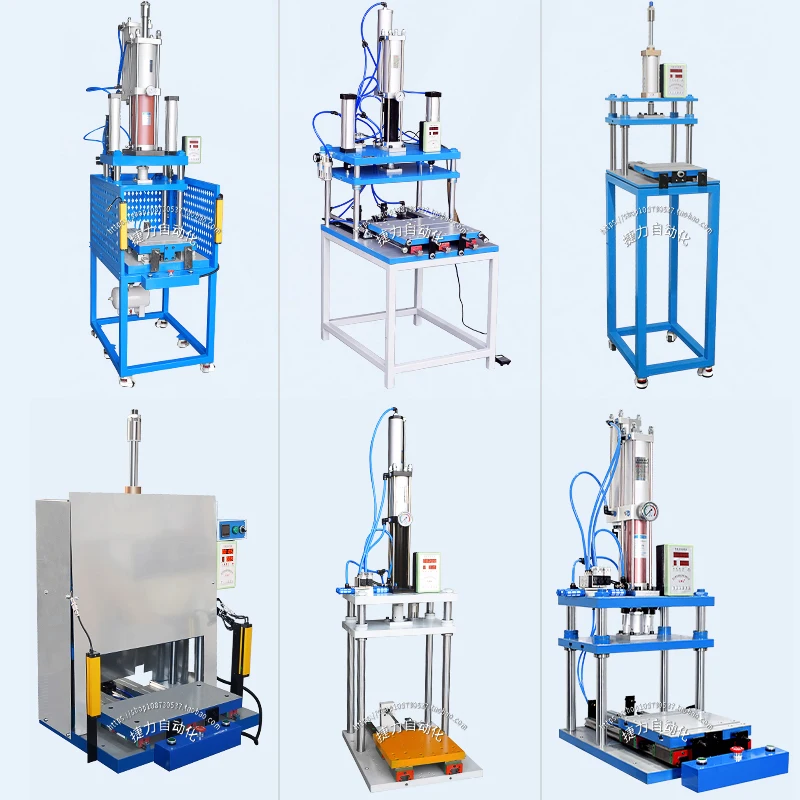
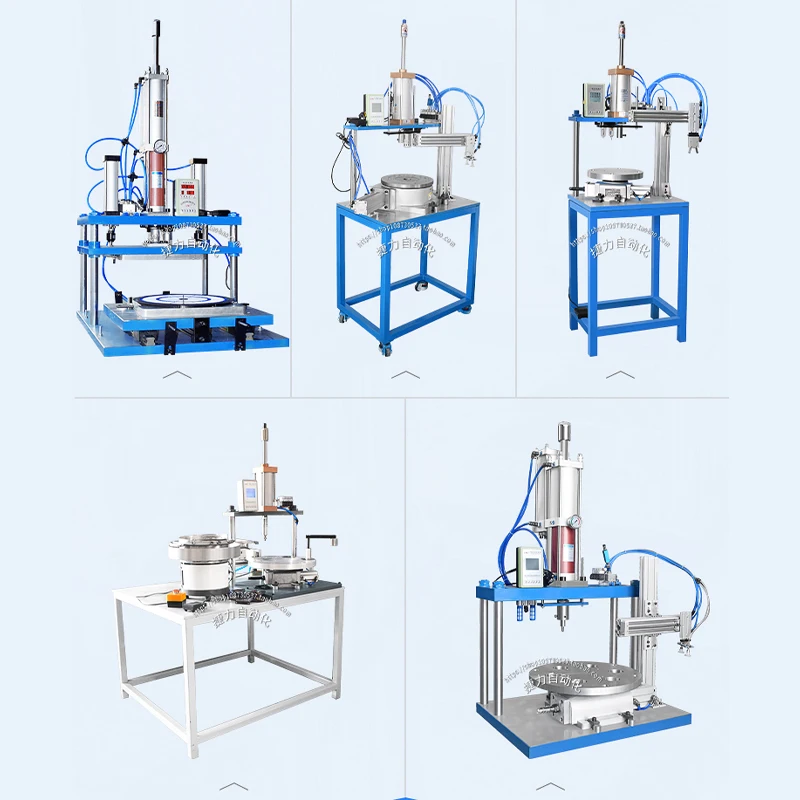
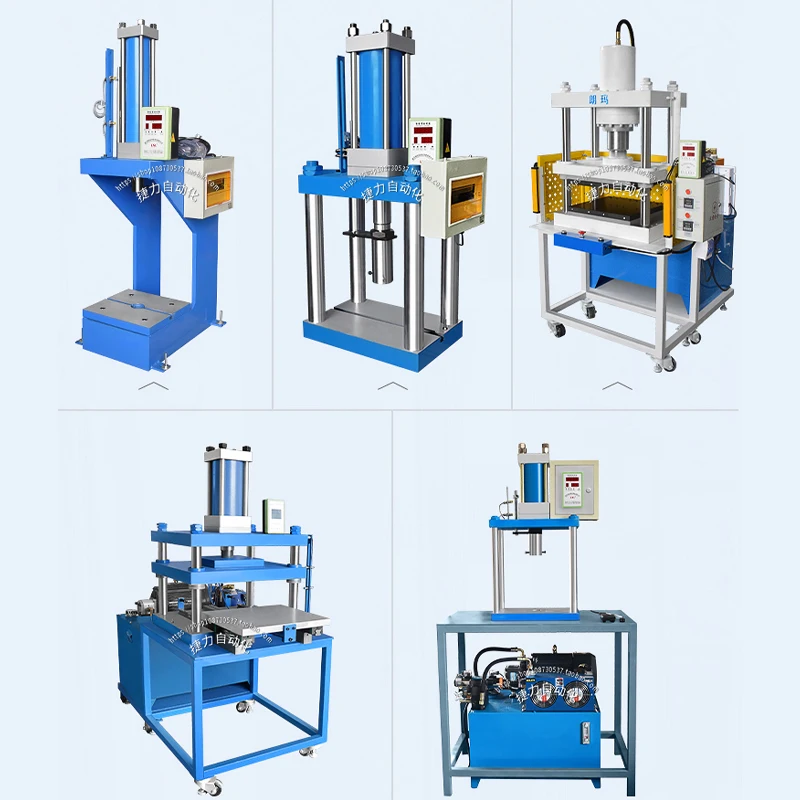
This non-standard customized pneumatic punching press is equipped with a professional 5T high-power pneumatic booster cylinder, realizing stable and concentrated 5-ton pressure output, with strong penetrating power and uniform pressing force, ensuring clear embossing patterns, accurate punching size and stable forming effect. It supports comprehensive non-standard customization services, covering working table area, stamping stroke height, pressing speed, mounting fixture, manual/auto control mode and safety protection structure, solving the matching problem of special-shaped workpieces and personalized processing technology. The gas-liquid supercharging structure realizes fast idle stroke feeding and high-pressure working stroke pressing, with fast processing rhythm and high production efficiency, far exceeding the working efficiency of traditional hydraulic equipment. The whole machine adopts thickened steel frame welding structure, with high rigidity and strong compression resistance, no deformation under long-term 5T high-load cyclic operation, ensuring long-term processing accuracy and equipment stability. The precision pressure regulating system supports stepless adjustment of output pressure and stamping time, which can flexibly adapt to embossing, printing, punching and forming processing of different materials and thicknesses. The pneumatic driving mode requires no hydraulic station, realizing zero oil pollution, low energy consumption and low operating noise, meeting clean workshop and environmental protection production standards. Equipped with multiple safety protection devices such as anti-pinch induction and emergency stop switch, it effectively avoids operational risks and ensures safe and stable long-term continuous production.
Product Advantages
First, professional 5T stable supercharging output. The matched high-performance booster cylinder provides standardized 5-ton constant pressure stamping force, with uniform stress and strong forming ability, ensuring clear and delicate embossing and printing effects without blurring or indentation deviation. Second, full non-standard customization capability. Breaking the limitations of standard equipment, it can be tailor-made according to customer workpiece size, processing technology and production site conditions, realizing one-to-one personalized equipment matching. Third, high efficiency and energy saving with environmental protection. Pneumatic supercharging drive eliminates hydraulic oil pollution, saves compressed air consumption compared with traditional equipment, features fast cycle speed and greatly improves batch processing efficiency. Fourth, high structural stability and precision. Thickened industrial frame and precision guide structure ensure no offset during stamping process, maintaining consistent processing accuracy of each workpiece and reducing product defective rate. Fifth, wide processing adaptability. It integrates multiple functions of embossing, printing, punching, bending and pressing assembly, covering metal, plastic, leather, paper and other materials, realizing multi-purpose one machine and reducing equipment procurement costs.
How to Use
First, confirm the customized parameters and processing requirements of the equipment, check the frame structure, booster cylinder, control system and safety devices for complete and intact installation, and verify the stability of the equipment fixing base. Second, connect the standard factory compressed air pipeline, check the air tightness of the pipeline and the sensitivity of the pressure regulating valve, adjust the working air pressure to the standard range required for 5T supercharging output. Third, install and fix the customized mold or embossing fixture according to processing needs, calibrate the stamping position and stroke height to ensure accurate alignment between the mold and the workpiece processing area. Fourth, set processing parameters including stamping pressure, dwell time and operating speed according to workpiece material and processing technology requirements, and test the manual jog mode to check the operating stroke and pressure stability. Fifth, conduct trial processing with sample workpieces, check the embossing definition, printing effect and punching accuracy, fine-tune parameters until reaching the optimal processing standard. Sixth, switch to automatic cycle mode for batch formal production, and pay real-time attention to equipment operating status and workpiece processing quality. For daily maintenance, regularly clean the equipment table and mold surface residue, check the tightness of the cylinder and pipeline, lubricate the guide structure periodically, and adjust pressure parameters timely according to processing wear to ensure long-term stable and accurate operation of the customized equipment.






 EN
EN
 AR
AR
 BG
BG
 HR
HR
 CS
CS
 DA
DA
 NL
NL
 FI
FI
 FR
FR
 DE
DE
 HI
HI
 IT
IT
 KO
KO
 NO
NO
 PL
PL
 PT
PT
 RO
RO
 RU
RU
 ES
ES
 SV
SV
 TL
TL
 ID
ID
 SR
SR
 UK
UK
 ET
ET
 HU
HU
 TH
TH
 TR
TR
 FA
FA
 AF
AF
 MS
MS
 GA
GA
 BE
BE
 MK
MK
 AZ
AZ
 BN
BN
 LA
LA
 UZ
UZ
 HAW
HAW
 KY
KY