Product Features
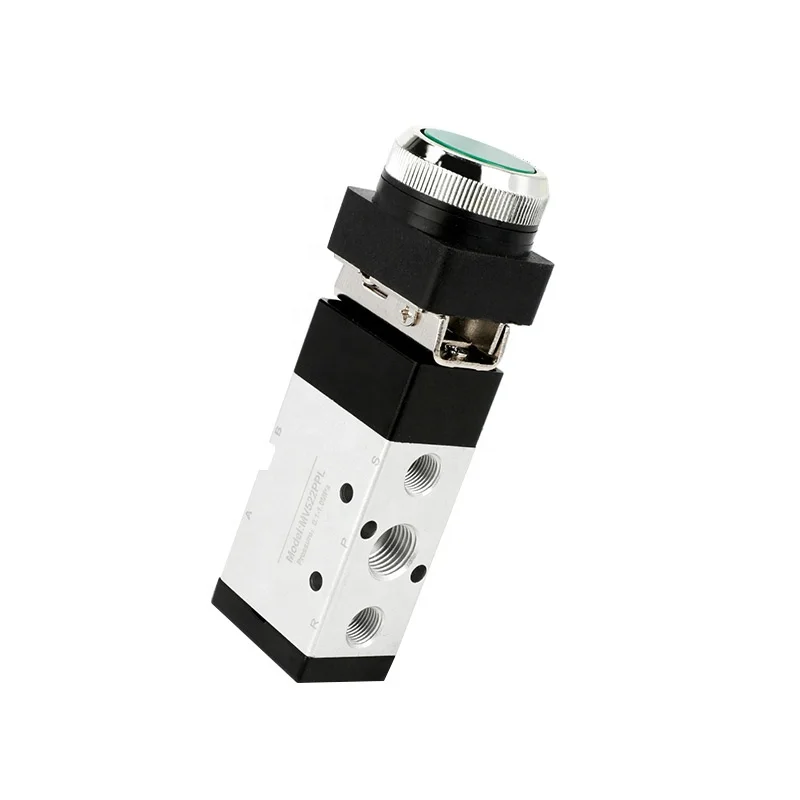
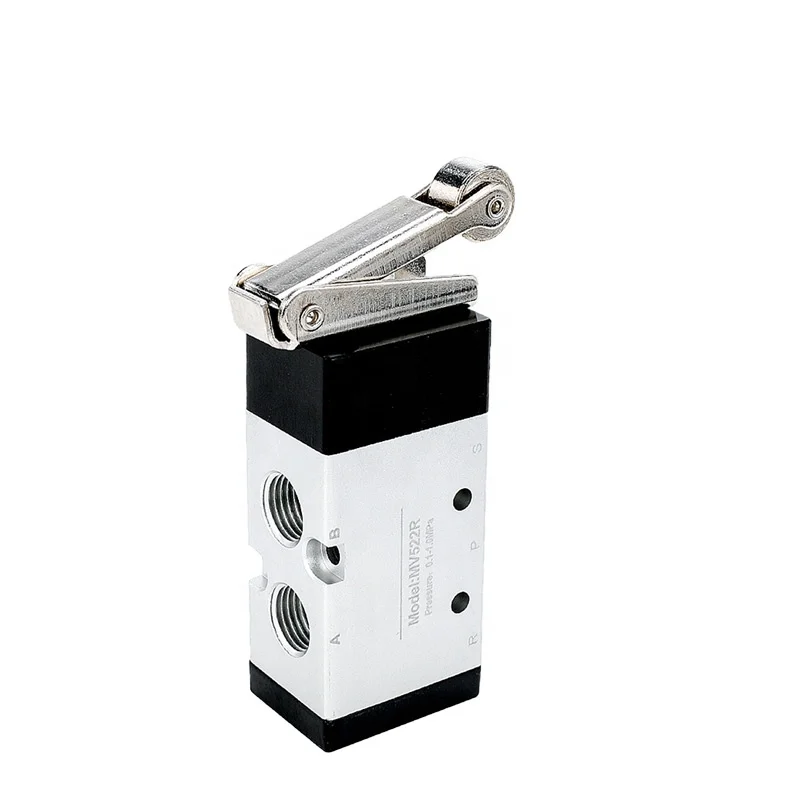
Standard 2-Position 5-Way Air Circuit Structure: Professional 2-position 5-way integrated airflow channel matches mainstream pneumatic cylinder control logic perfectly. It can control cylinder extension, retraction and rapid exhaust separately, meeting full manual bidirectional pneumatic driving demands.
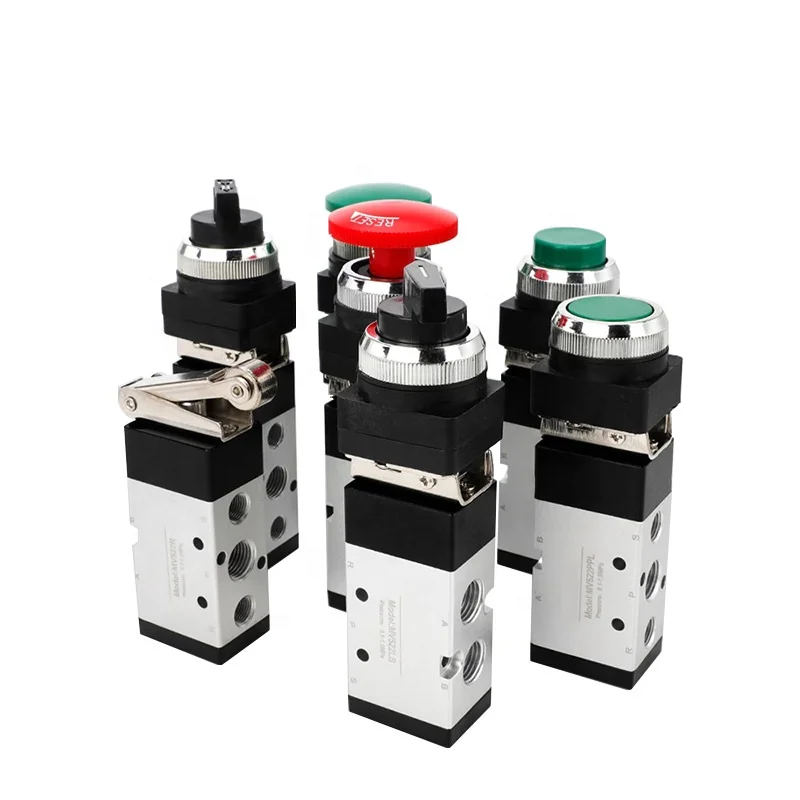
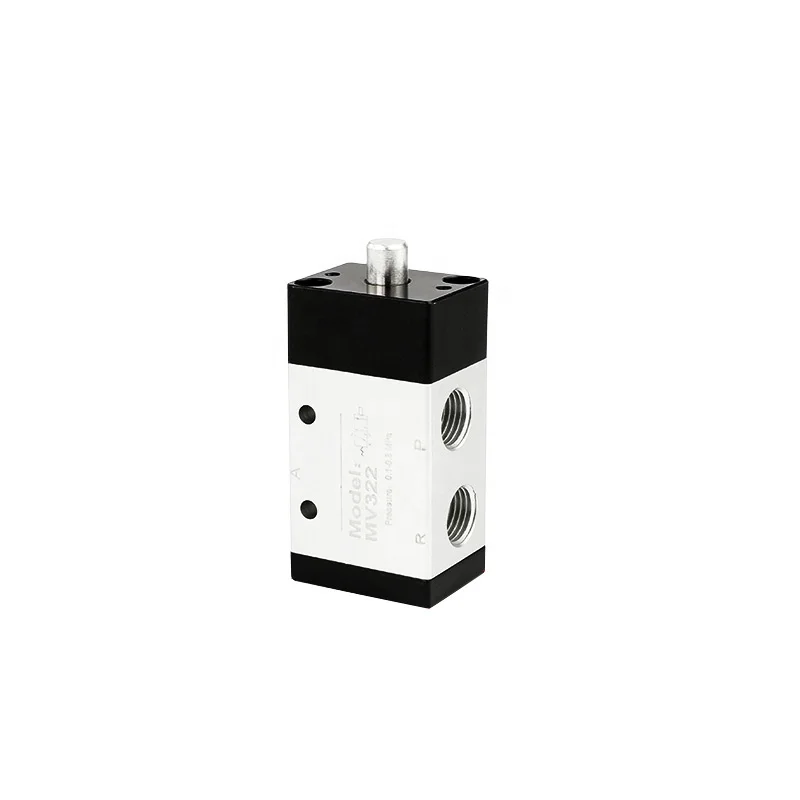
Two Complete Port Size Specifications: MV322 (1/8") and MV522 (1/4") two universal sizes for free selection. Compatible with most conventional pneumatic pipelines, fittings and cylinders, realizing seamless matching for different pneumatic system flow rates.
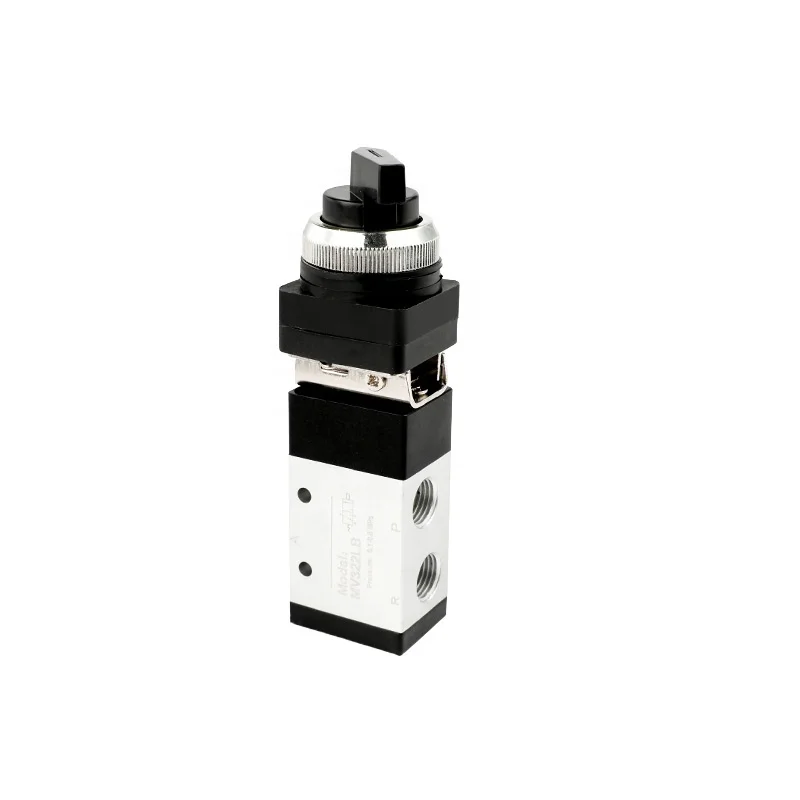
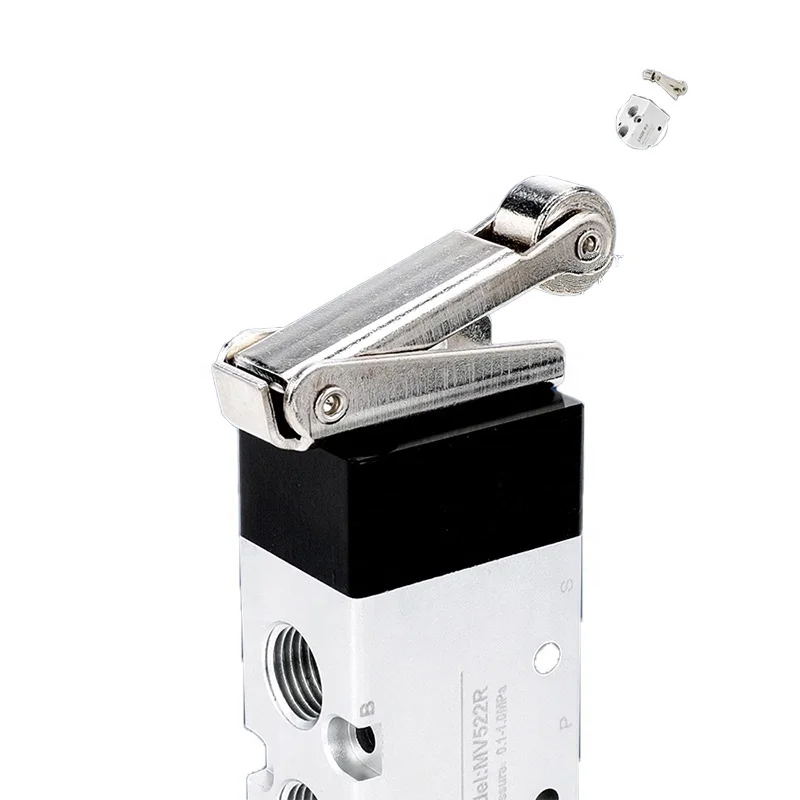
Pure Manual Mechanical Operation, No Power Needed: Adopts pure mechanical toggle driving structure, requiring no power supply, coil electricity or auxiliary air source. It can work stably in environments without electricity, with lower failure rate and stronger anti-interference performance than electromagnetic valves.
High-precision Anti-leakage Sealing System: Imported wear-resistant rubber sealing rings are equipped inside the valve body. The sealing components keep good elasticity after frequent toggle switching, effectively avoiding internal airflow cross leakage and external pipeline air leakage.
Durable Anodized Aluminum Alloy Valve Body: Integral die-cast aluminum valve body with surface hard oxidation treatment, featuring corrosion resistance, oxidation resistance and impact resistance. It adapts to harsh workshop dust and oily environments for long-term stable use.
Clear Toggle Positioning & Smooth Switching: Built-in fixed positioning buckle ensures clear and firm gear positioning after each toggle switch, no automatic position rebound caused by air pressure impact. The switching action is smooth without jamming or stuck valve core.
Product Advantages
First, Wider application than 3-way/4-way manual valves. The 5-way air circuit can independently control two air ports of double-acting cylinders, realizing full forward and reverse stroke control, which cannot be achieved by ordinary 3-way manual valves. Second, Zero electricity consumption & high safety. Pure mechanical manual operation eliminates electric leakage and coil burnout risks of solenoid valves, ideal for flammable, explosive and humid workshop environments. Third, Low failure rate & maintenance-free design. Simple mechanical valve core structure without vulnerable electronic parts, almost no daily maintenance required, greatly reducing later use cost. Fourth, Fast manual airflow response. Direct mechanical switching brings instant airflow direction change, no signal delay, perfect for equipment manual debugging and emergency manual control. Fifth, Universal interchangeable industry standard size. Standard mounting hole and air port size support direct replacement for same-type manual valves from other brands, no need to modify original pipeline layout.
How to Use & Precautions
Operation Steps: First, select matched model according to pipeline caliber: choose MV322 for 1/8 inch pipeline, MV522 for 1/4 inch pipeline. Cut off the main pneumatic air source before installation to avoid pressure impact during assembly. Second, connect air inlet, cylinder forward port, cylinder backward port and two exhaust ports correctly following the valve internal airflow schematic, tighten pipeline joints to prevent air leakage. Third, toggle the manual switch lever left and right to test two working positions, check smooth valve core switching and no stuck phenomenon. Fourth, turn on the main air source, test cylinder forward and reverse movement, confirm accurate airflow direction switching and no air leakage at all ports. Fifth, fix the valve on equipment mounting panel steadily, complete formal manual pneumatic control work. Important Precautions: Keep compressed air clean and dry, install front-end air filter to prevent water mist and dust from entering the valve core and causing jamming; do not apply excessive force to toggle the lever to avoid internal positioning buckle damage; work within standard pneumatic pressure range, avoid overpressure damaging internal sealing rings; regularly clean exhaust port dust to ensure smooth exhaust; replace sealing parts timely if air leakage occurs after long-term use.







 EN
EN
 AR
AR
 BG
BG
 HR
HR
 CS
CS
 DA
DA
 NL
NL
 FI
FI
 FR
FR
 DE
DE
 HI
HI
 IT
IT
 KO
KO
 NO
NO
 PL
PL
 PT
PT
 RO
RO
 RU
RU
 ES
ES
 SV
SV
 TL
TL
 ID
ID
 SR
SR
 UK
UK
 ET
ET
 HU
HU
 TH
TH
 TR
TR
 FA
FA
 AF
AF
 MS
MS
 GA
GA
 BE
BE
 MK
MK
 AZ
AZ
 BN
BN
 LA
LA
 UZ
UZ
 HAW
HAW
 KY
KY